From stock to unstoppable. The definitive solder-free guide to transform your FMS FCX24M into a pro-level micro crawler. Step by step. No confusion.
Start Your Build →"Before you upgrade anything, set yourself up to never strip a screw."
Every screw on the FCX24M uses one of these three sizes. Skip the $30 generic kit. $8 worth of specific bits does the job better.

Interior, driveshafts, clipless mounts
In BoxWheel nuts use a 4mm hex nut driver, and it already comes in the FCX24M box. Use it when you need to pull the tires.
This is the single most important prep step before installing new electronics.
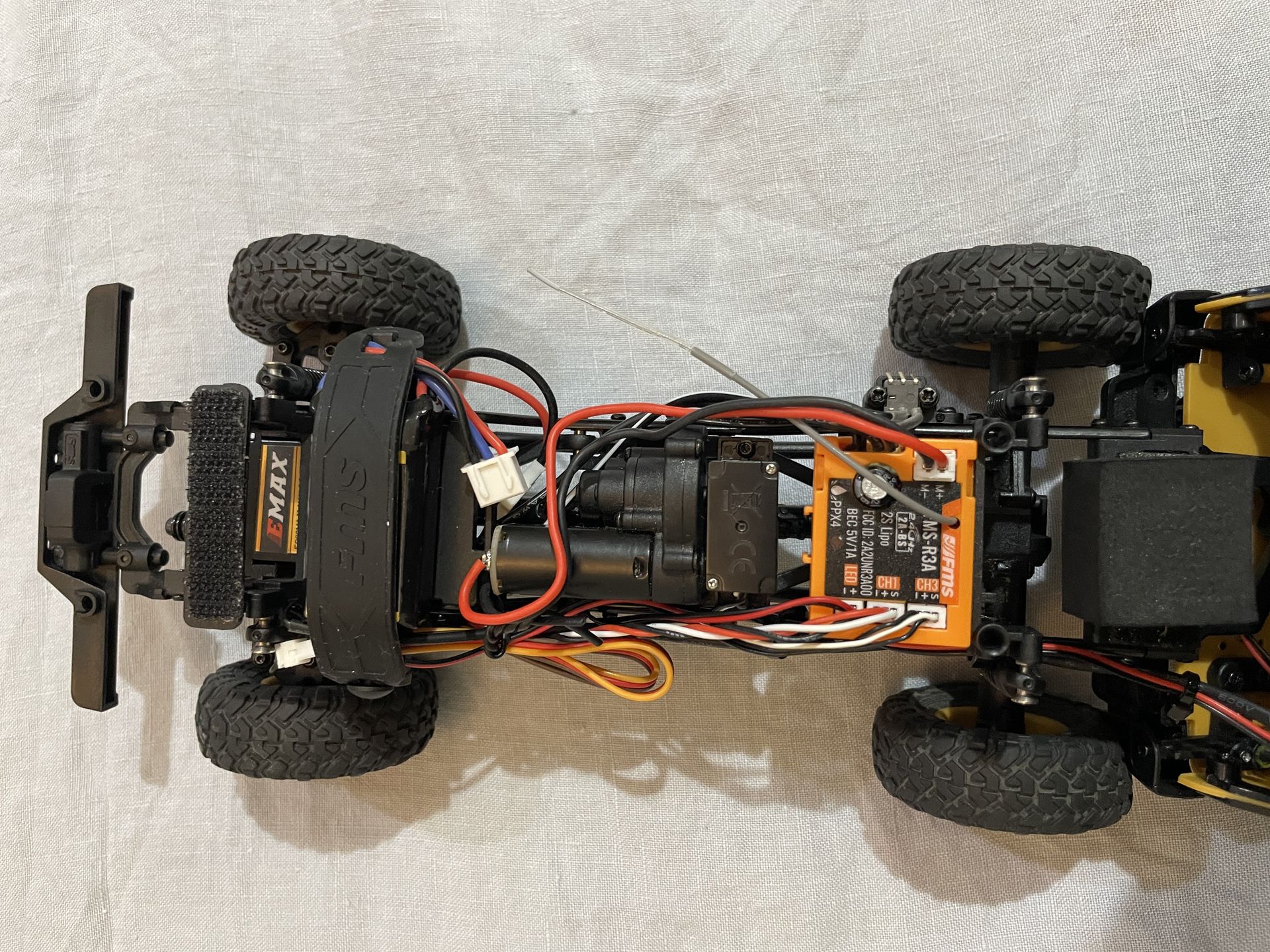
Relocate the battery from the rear tray to the front of the chassis.
This achieves two critical things:
1. Better COG that adds weight over the front axle for more stable climbing and descents
2. Space for electronics, freeing up the rear tray for mounting the new ESC and receiver in Tier 1
No modifications to any stock part are required - the battery tray and ESC are adaptable to the c-rail holes that came from the factory.
"Unlock buttery slow crawl and real control. No soldering required."
The stock electronics struggle at low speeds. This build unlocks full FOC control for sub-1 RPM crawling.
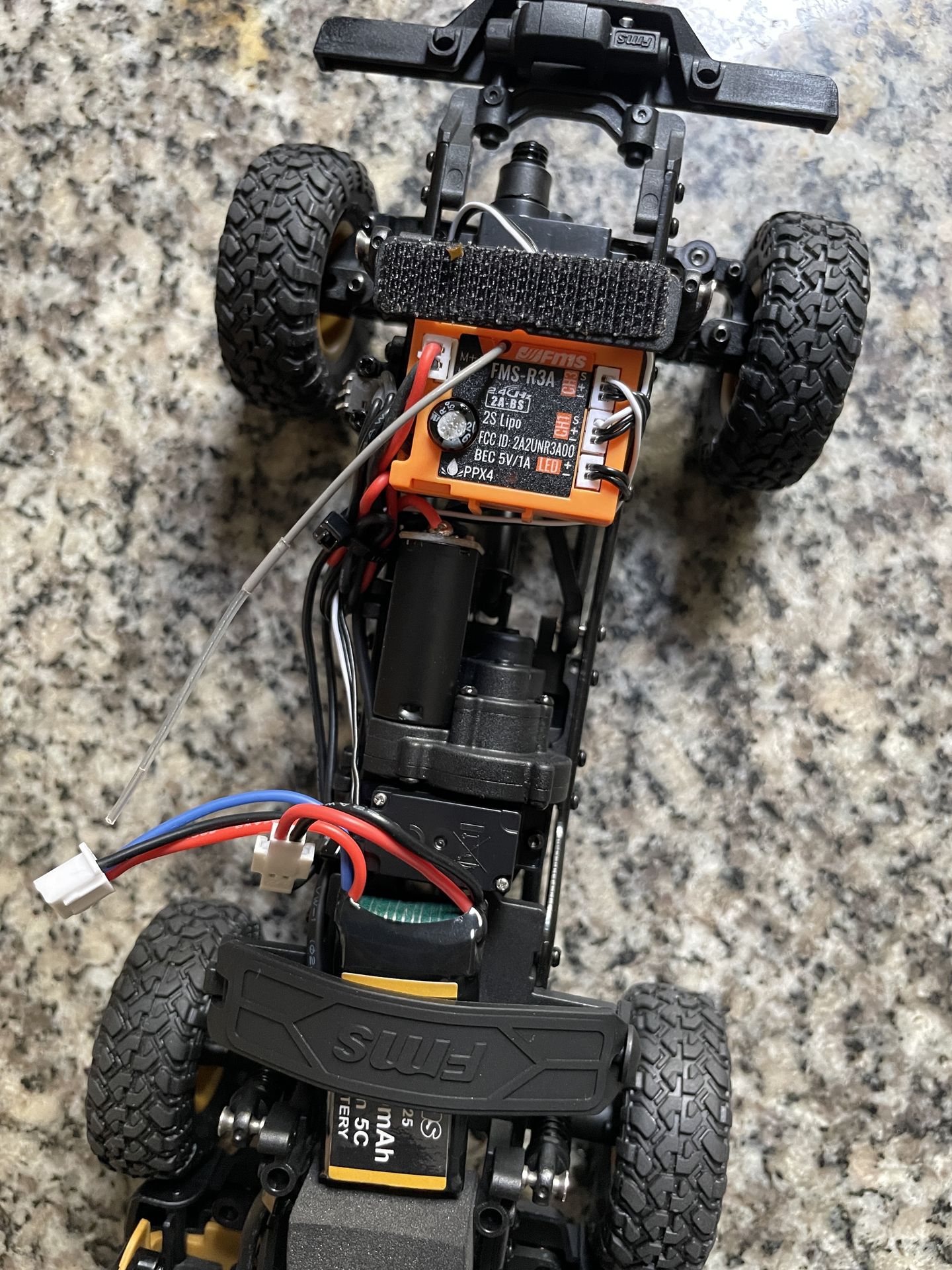
Stock Layout
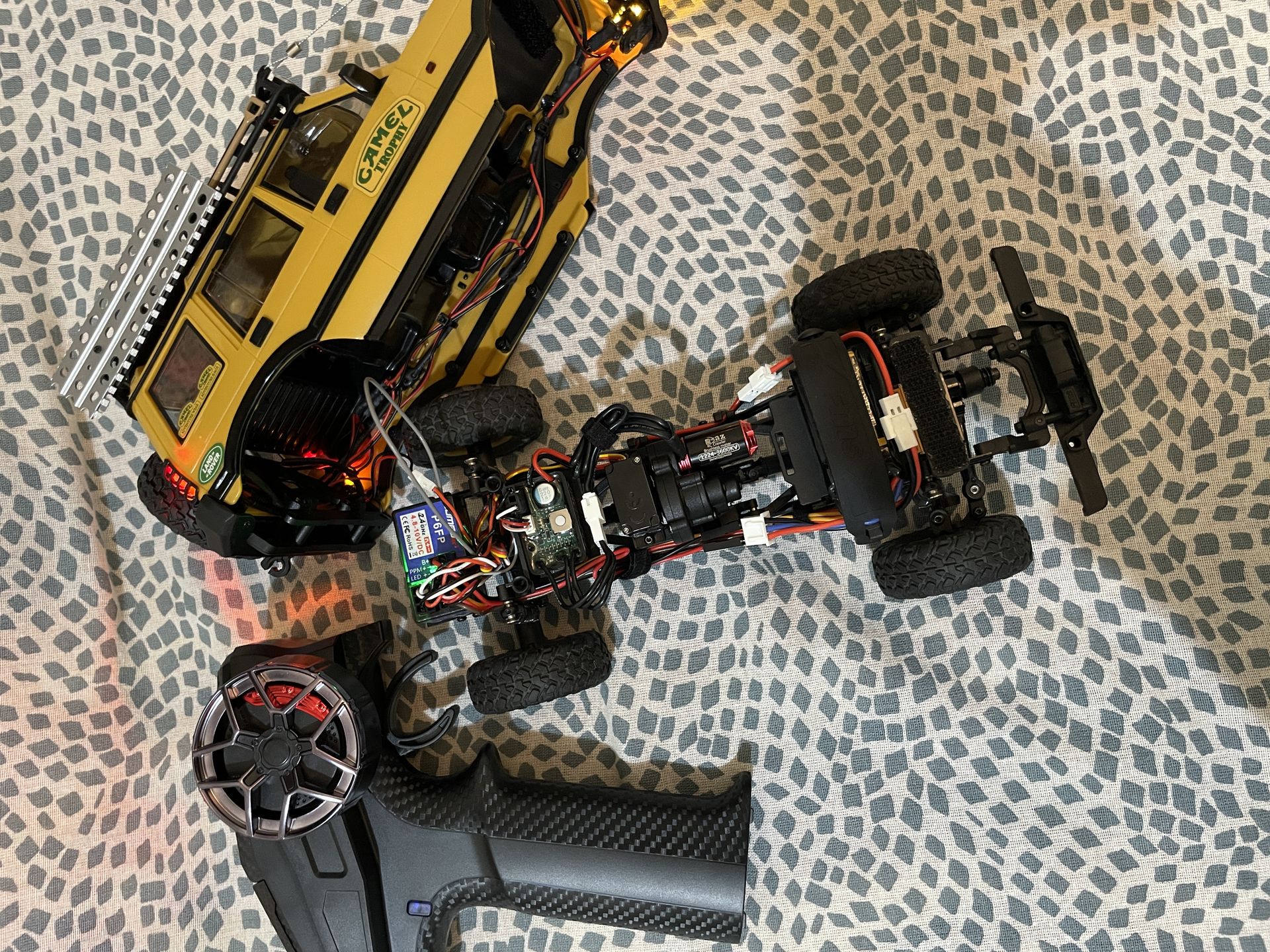
Brushless Converted (Click to zoom)
Stock 050 brushed with auto throttle hits the wall and stalls. Same obstacle, same throttle input. The Hobbywing ESC with FOC and the 3600KV outrunner just crawls it through.
No extra throttle. No bumping. Just controlled torque at low RPM. That is the difference this section is trying to show.
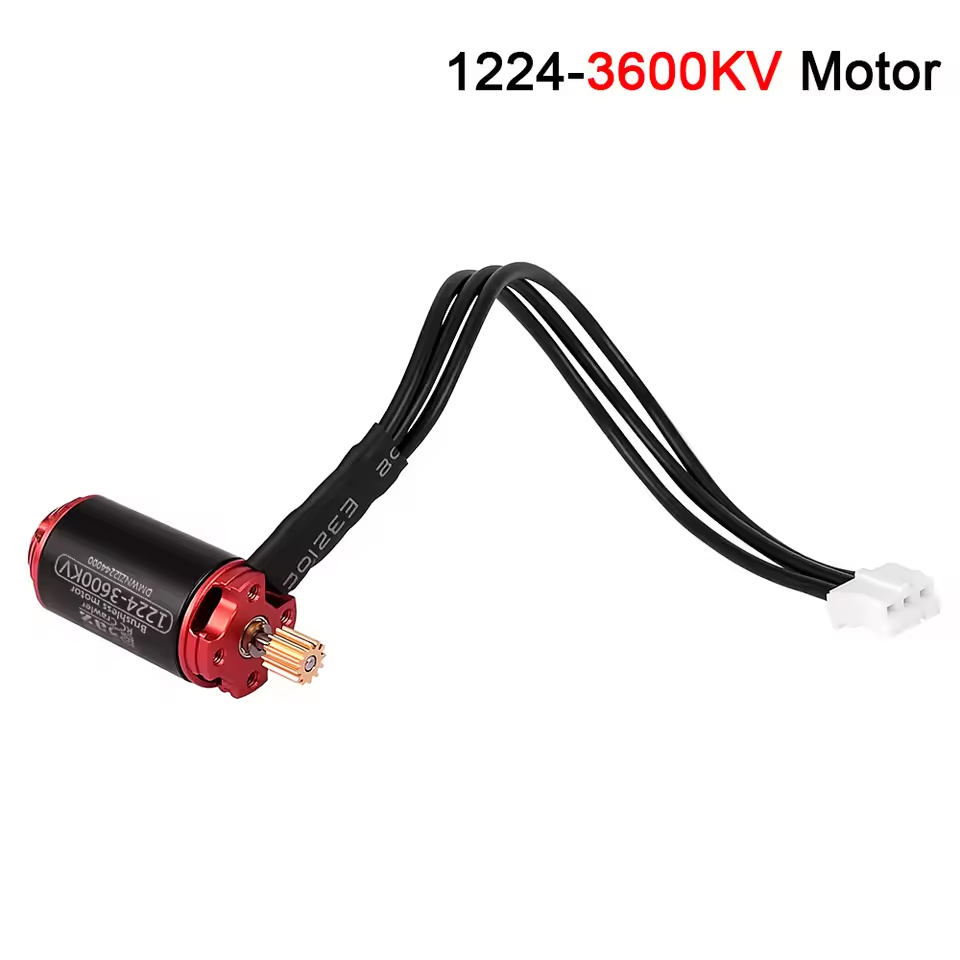
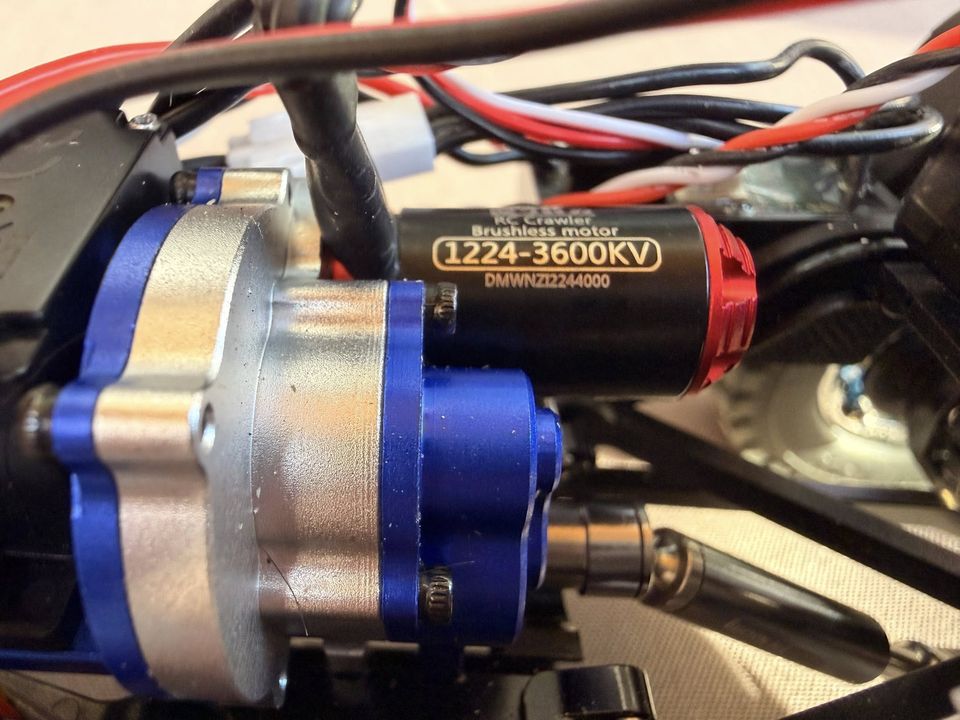
I picked this 1224 motor because FCX24M options are limited by the tight chassis. With these generic AliExpress 1224 outrunners, the main issue is inconsistent quality control. That usually shows up in magnets, bearings, and rotor quality, which is why one motor can feel smooth while another stutters at very low speed and only cleans up once RPM rises. One guide follower, Jim Hathaway, had to return his motor for that exact reason. AliExpress usually handles returns and refunds well.
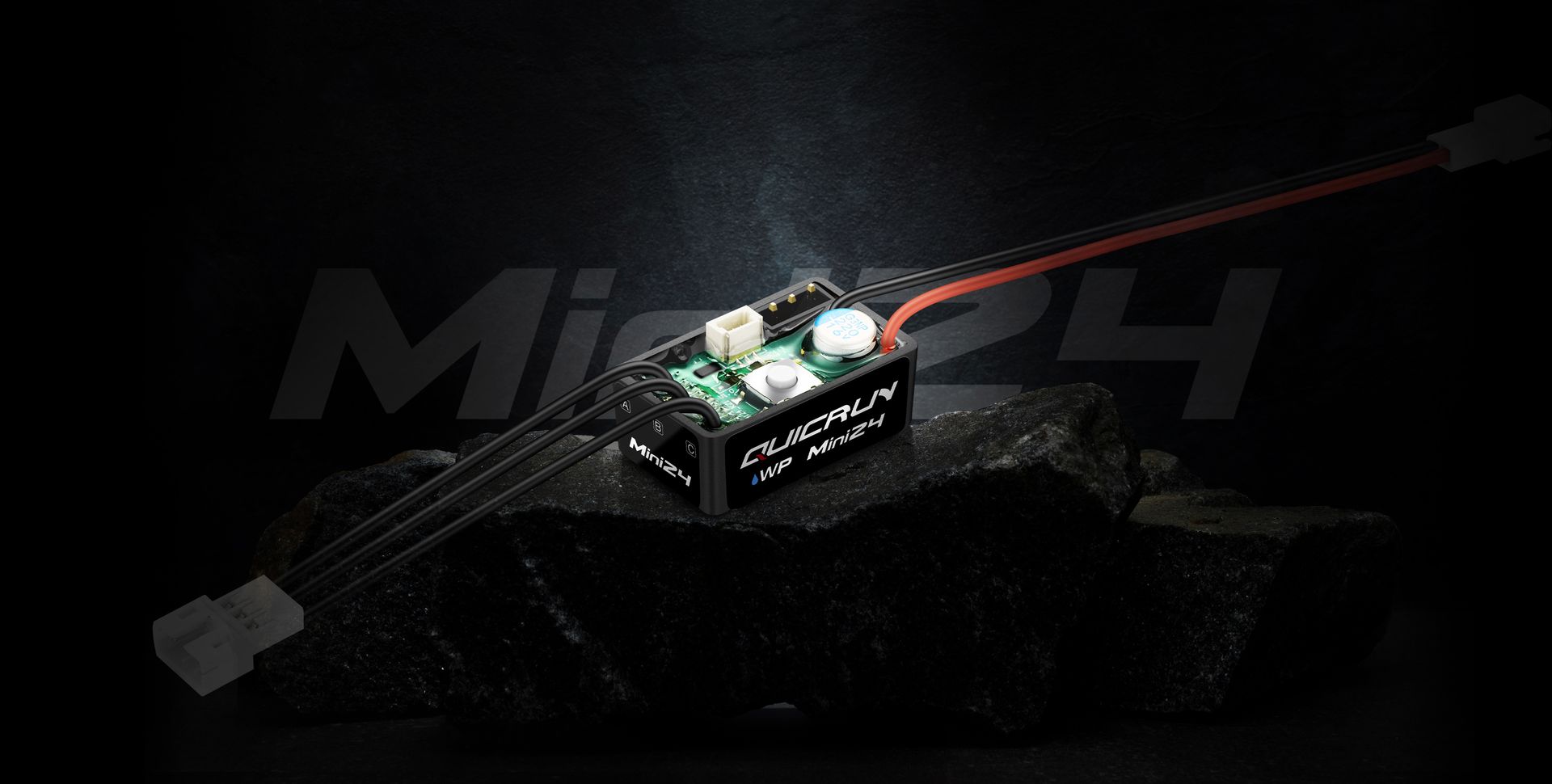
The Hobbywing WP Mini24 usually handles this better with cleaner low-speed FOC control, but it still cannot fully compensate for a weak generic motor. I still run mine hard, sand, trail, crawling, and if it gives up under abuse, I’ll update this page.
Why pay $300+? This pro-level build is shockingly affordable.
*Includes cost of purchase, upgrades, and tools like the Pinion Puller. Spares value estimated based on resale of stock Transmitter/Receiver/ESC combo.
Everything you need. Grouped by category. All links verified and tested.
Radio power tip (real use): The DumboRC runs on 4x AA. Alkalines I used died in ~10 days. Switching to IKEA LADDA 2450 mAh NiMH rechargeables + the STENKOL charger gives me ~15 days with regular use and voltage telemetry always on. Big long‑term savings.
Price is typically around $18–20 for the STENKOL + LADDA bundle (varies by country).
IKEA lists LADDA 2450 mAh as made in Japan on some regional product pages. IKEA does not confirm the OEM, but some independent reviews speculate Panasonic/Eneloop lineage.
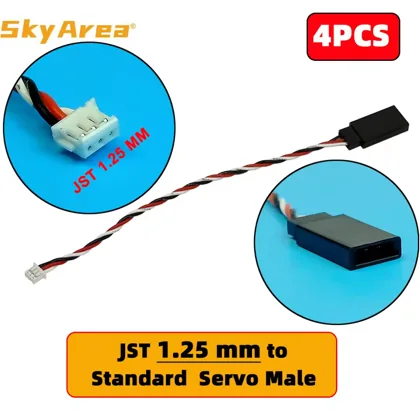
Connects stock gear-shift servo and stock/aftermarket light plugs to DumboRC receiver
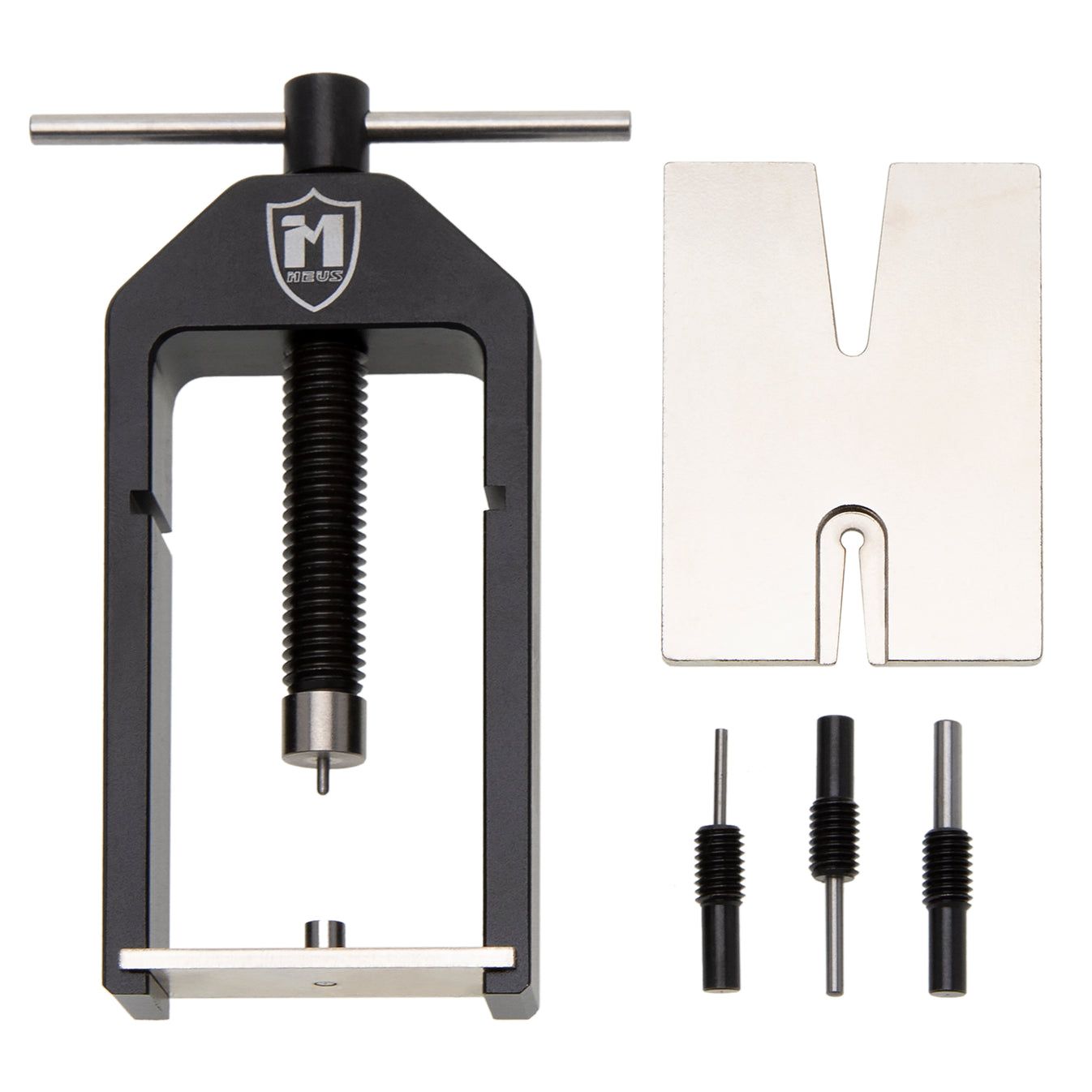
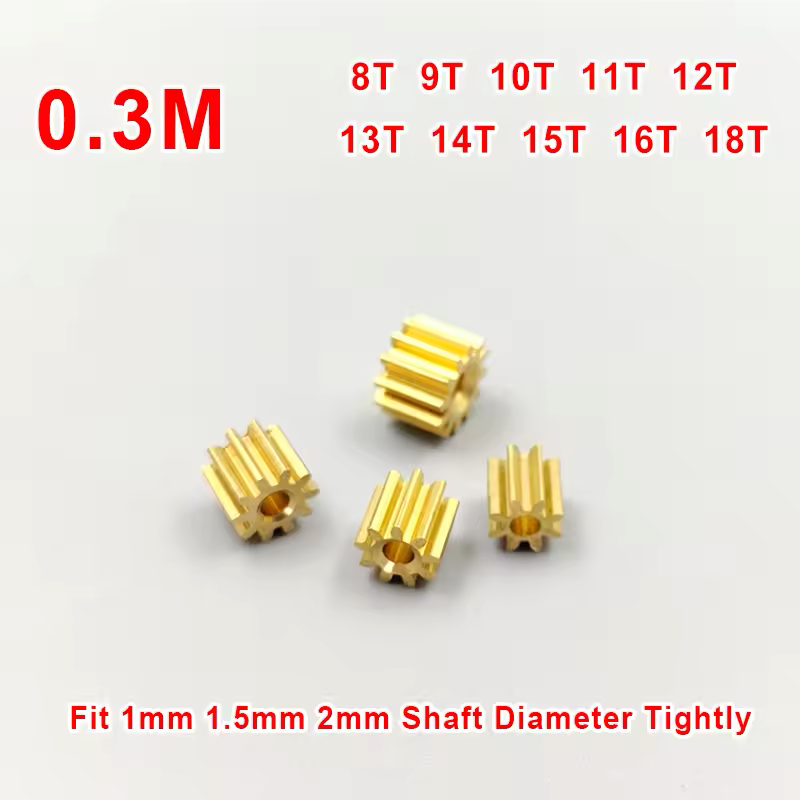
Swap 12T → 11T pinion. Pulls + presses in one tool (no separate press).
Re-grease after opening the metal transmission. Smooth, quiet operation.
PTFE = Teflon: It creates a low-friction film that is safe on brass and steel.
Brass + axles: Less wear, smoother mesh, quieter drivetrain.
Steel upgrades: Holds up under higher load and heat without breaking down.
Avoid thick grease: It adds drag, attracts grit, and can slow the tiny drivetrain down.
Optional: if you prefer not to swap the stock pinion. Make sure to choose 1.48mm hole and .3M mod pitch to mesh correctly with the stock spur gear.
Every one of these cost me hours. Learn from my mistakes so you don't repeat them.
Follow this exact sequence. Each step builds on the last.
Remove the two 1.3mm hex screws at the rear of the chassis and unhook the velcro strap at the front. Set the Camel Trophy body aside safely, it's delicate.
Unplug the motor from the stock ESC. Remove motor mount screws (1.3mm hex). Keep the stock motor. You'll need its 11T pinion.
Remove the stock 11T pinion from the brushed motor and press it onto the 1224 outrunner shaft using the Meus Racing puller/installer.
▶ Watch: Meus Racing Pinion Puller UsageInstall the 1224 motor in the stock motor position. The PH2.0 3-pin connector plugs directly into the Hobbywing WP Mini24. No soldering needed.
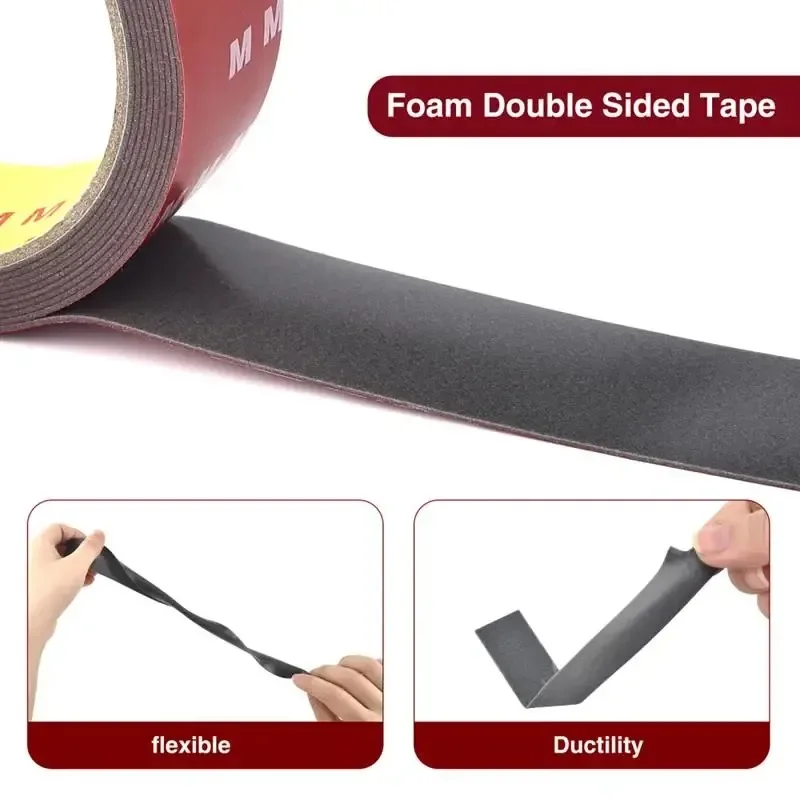
Use double-sided tape to secure the ESC to the chassis. Position it flat with cables routing cleanly toward the motor and receiver.
Flip the receiver and mount it horizontally in the rear battery tray using double-sided tape. This keeps the center of gravity low and clears the scale interior.
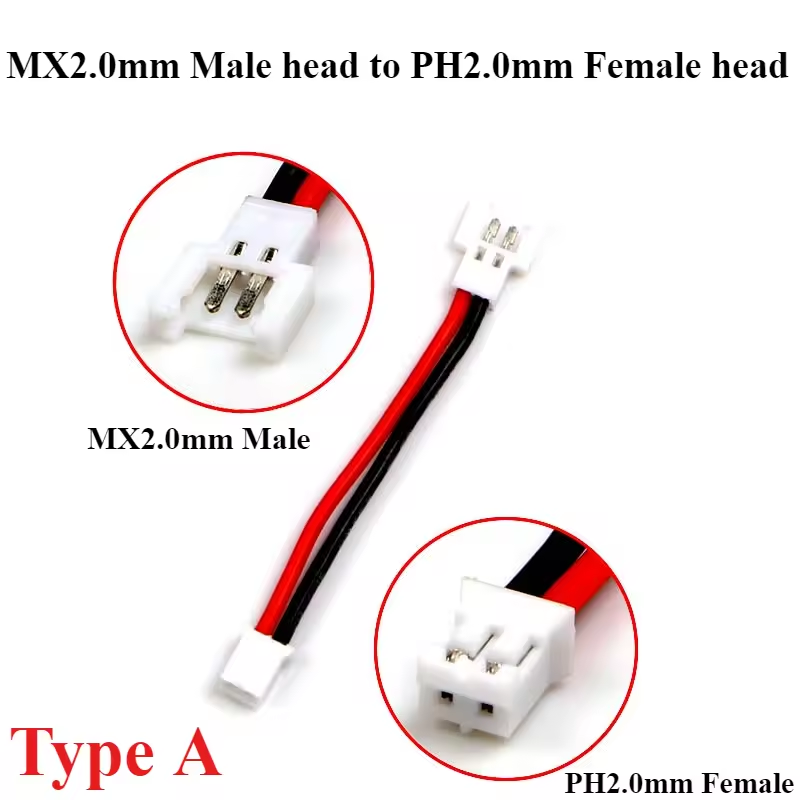
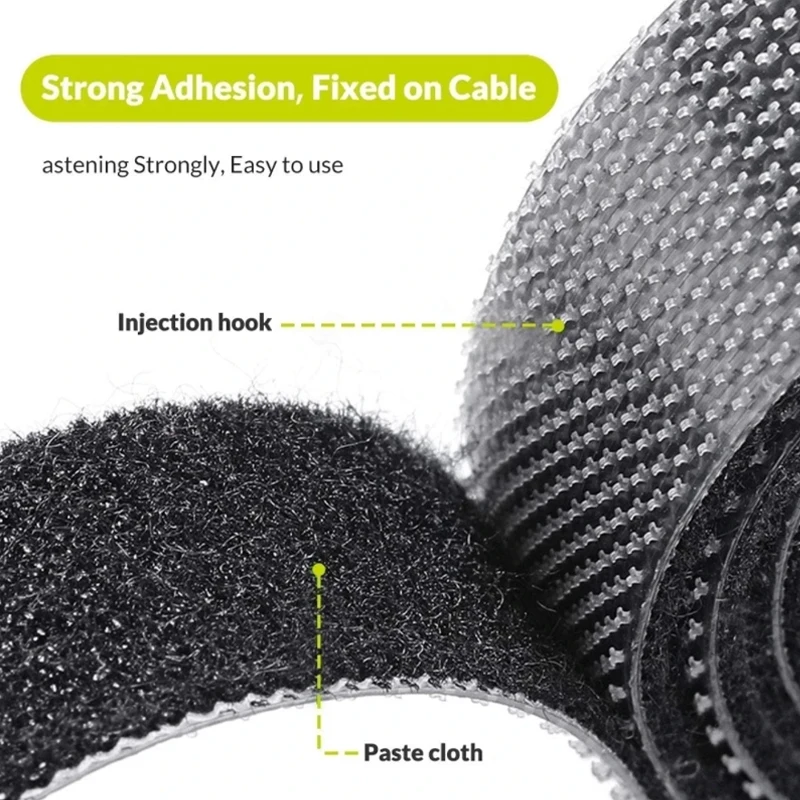
Connect: Battery → Molex-to-PH2.0 adapter → ESC → Motor. Throttle cable → CH2. Steering servo → CH1. Gear shift servo (via JST-to-JR adapter) → CH4. Use hook & loop to tidy cables.
Power on with wheels off the ground. Verify: motor spins correct direction, steering centers, gear shift works, no strange noises. Only then reassemble.
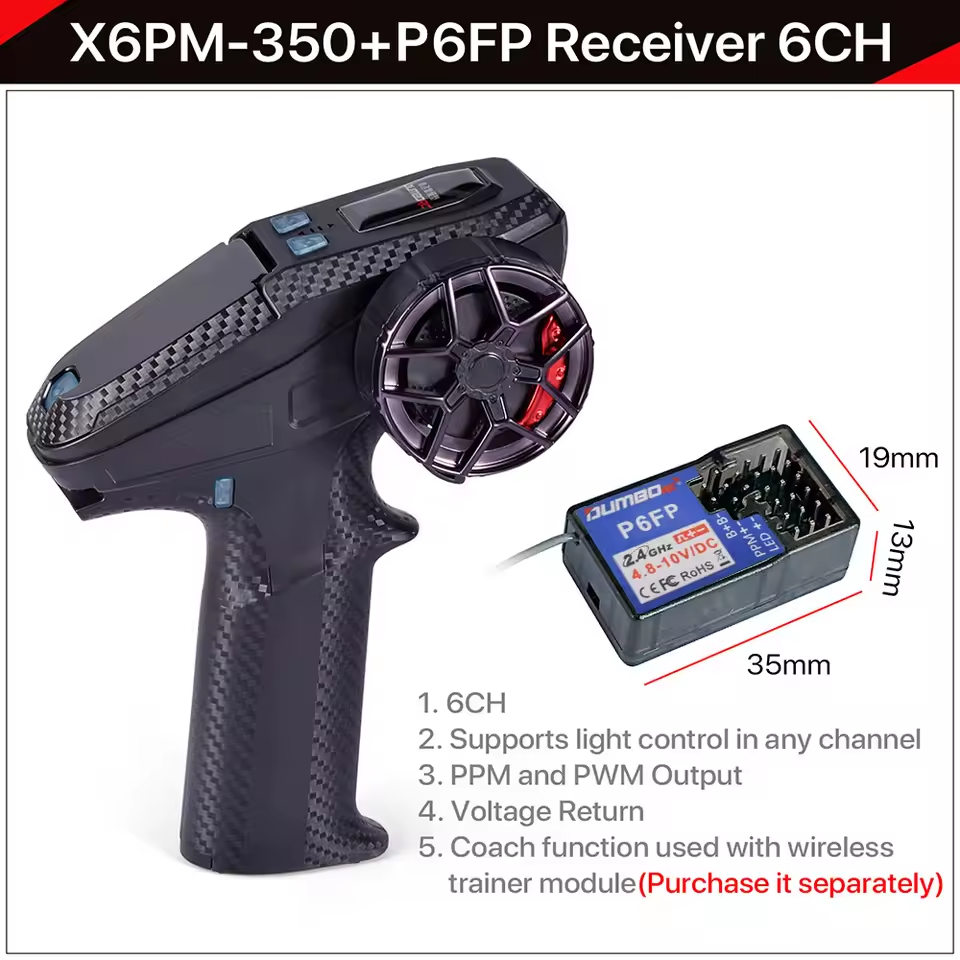
The DumboRC X6PM-350 is powerful but setup isn't obvious. Follow each card in order.
If you bought the X6PM-350 and P6FP as a pair, they come pre-bound. The green LED will already be solid when you power on. You can skip this step.
In DumboRC settings, adjust CH1 EPA (End Point Adjustment) to set maximum left/right steering angle. Start at 80% and increase until wheels are at full lock without binding.
▶ Watch Tutorial: Setting DumboRC EndpointsOn the DumboRC path in this guide, CH4 drives the gear shift servo like a normal servo channel, so you are only setting low gear and high gear travel. The stock FCX24M G3 transmitter (radio) + ESC/receiver combo is different: FMS gives it low, neutral, and high on the same switch through its stock configuration.
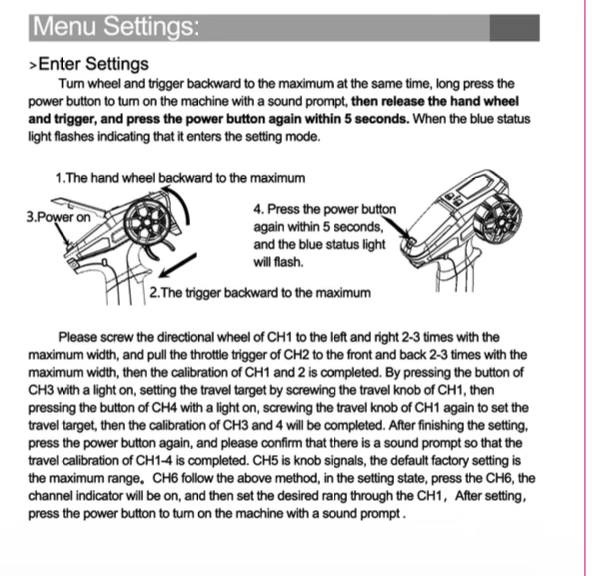
Reference: X6PM-350 settings mode. Click to zoom.
If your stock FCX24M G3 transmitter (radio) + stock ESC/receiver combo has gear shift issues, use this separate fix guide.
▶ Read: Stock FCX24M gear shift fix guideUse the battery return pigtail cable that comes included with the DumboRC P6FP receiver. Connect the female end to the BAT port on the receiver, and the male end to the balance charger plug on your LiPo.
Polarity warning: Never connect the wires in reverse. Swapping Red and Black is reverse polarity and will damage the receiver instantly.
Pro tip: Consider buying a dedicated balance charger female plug and soldering it to the pigtail. This gives you a proper keyed connector that physically cannot be inserted the wrong way, eliminating any risk of accidental reverse polarity.
Note: This is the simple on/off setup. If you want breathing, flashing, and separate light zones, skip to Tier 3 and use the independent DumboRC light controller module.
The P6FP receiver has a dedicated LIGHT port that is controlled via CH3 on your transmitter. Do not plug the light harness directly into the CH3 channel port - that will keep the lights on permanently with no radio control.
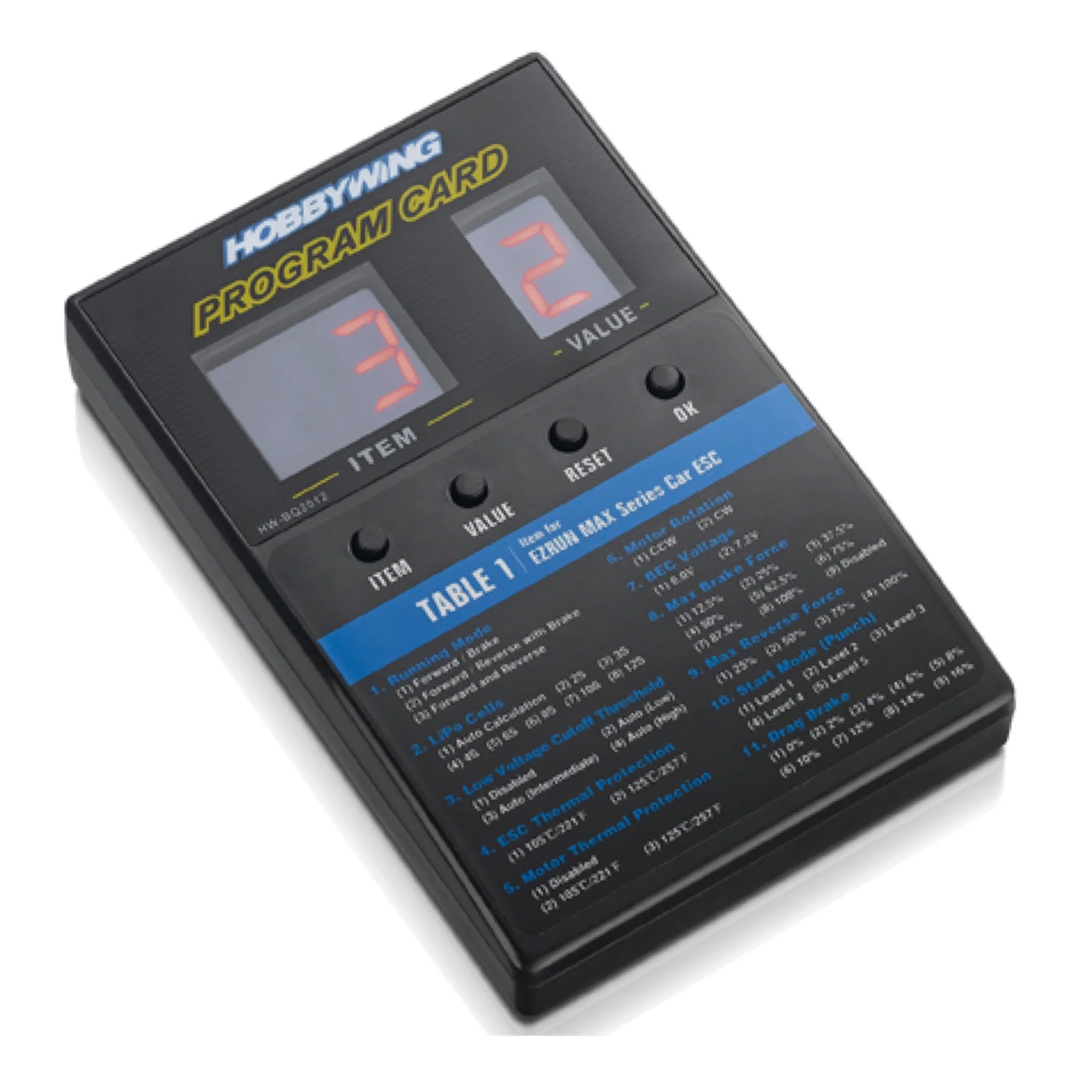
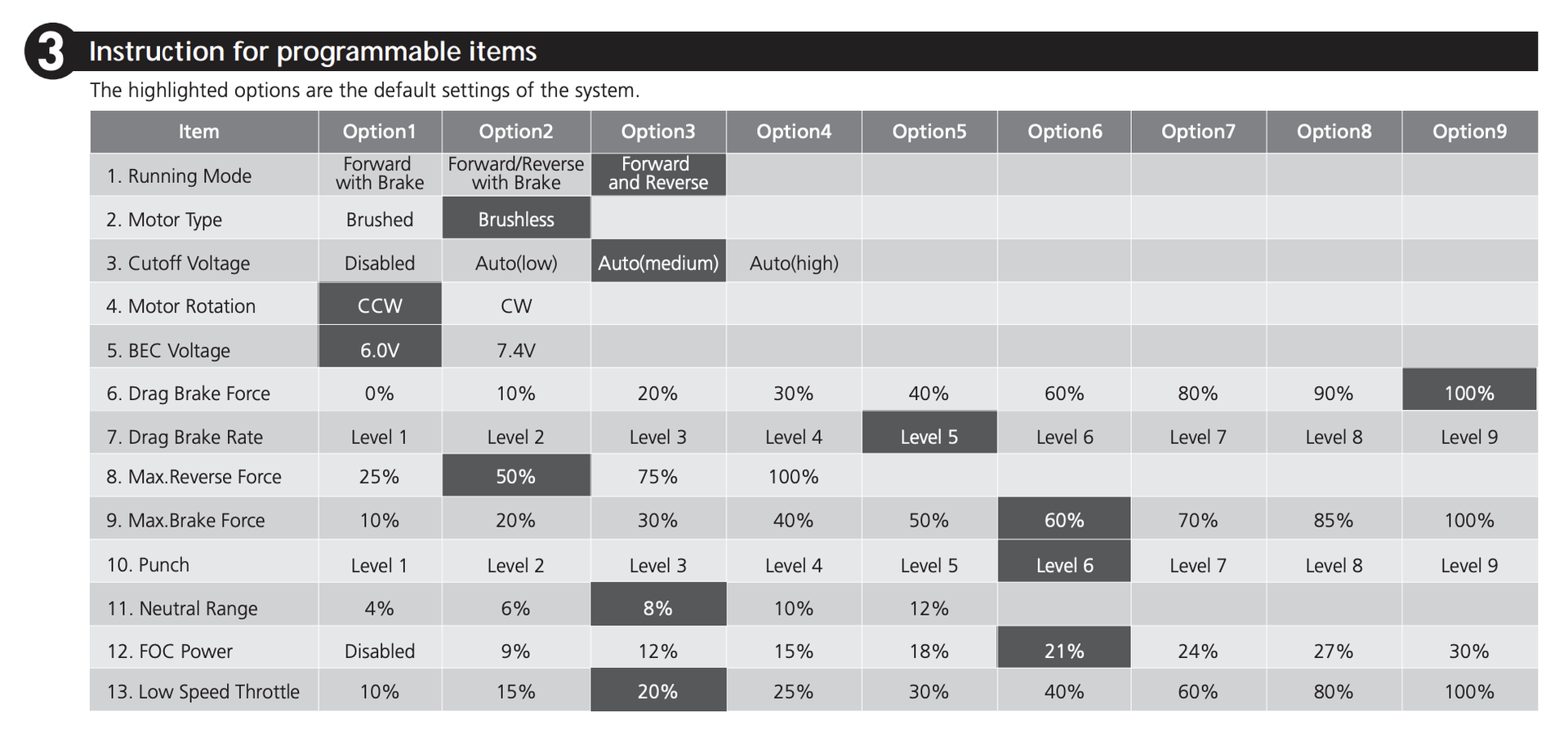
Optimized for FCX24M with 3600KV Outrunner. Start here, fine-tune after your first trail run.
Reference: Program Card Menu Structure (Click to zoom)
1. Motor: Connect A/B/C randomly. If reversed, swap two wires or change "Motor Rotation" in settings.
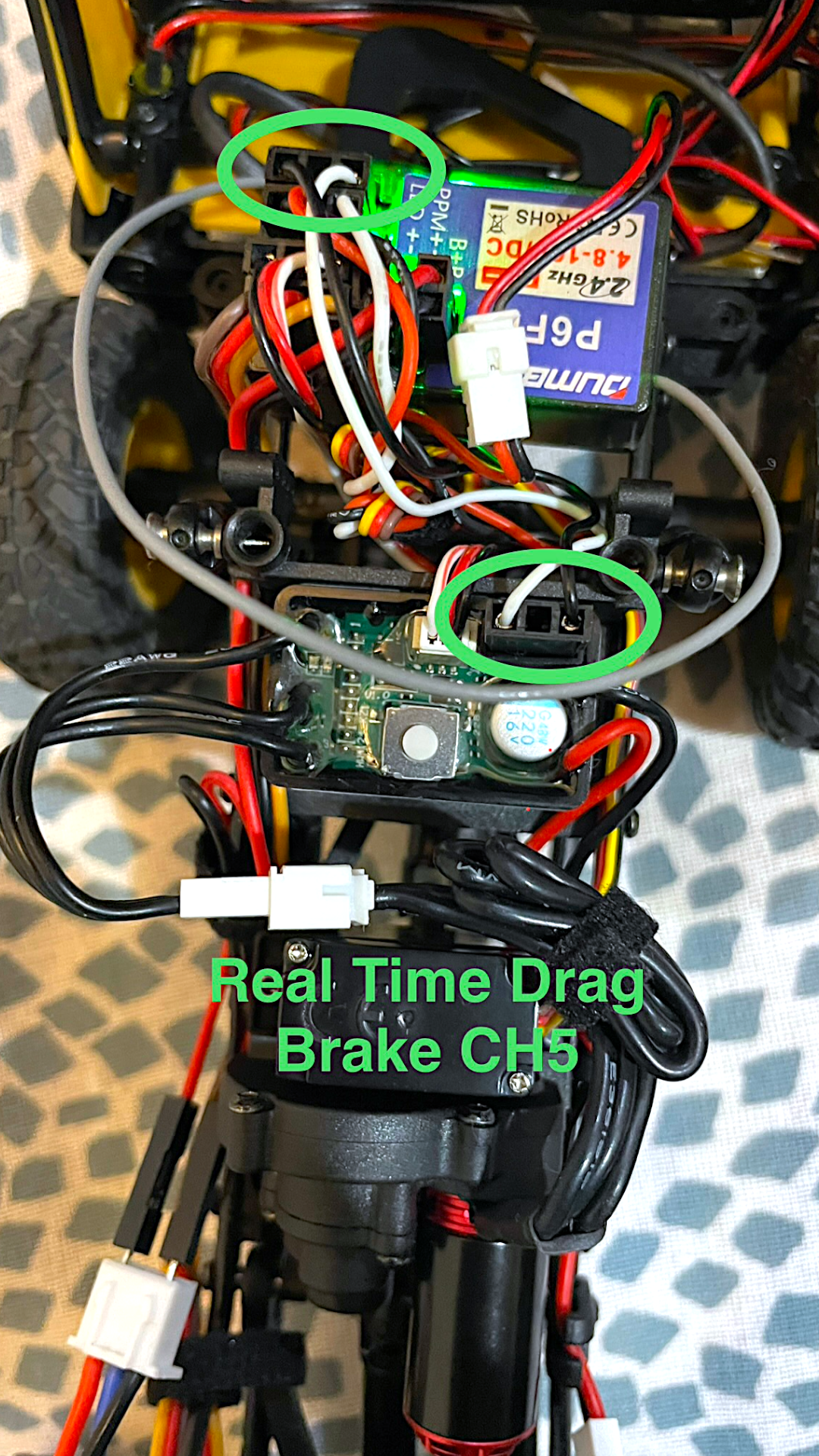
2. Receiver: Connect throttle cable to CH2. Do NOT supply extra power (BEC built-in). Optional: Connect single-wire AUX to CH5 for real-time drag brake adjustment.
3. Battery: Ensure polarity is correct (Red to +, Black to -). Reverse polarity damages ESC.
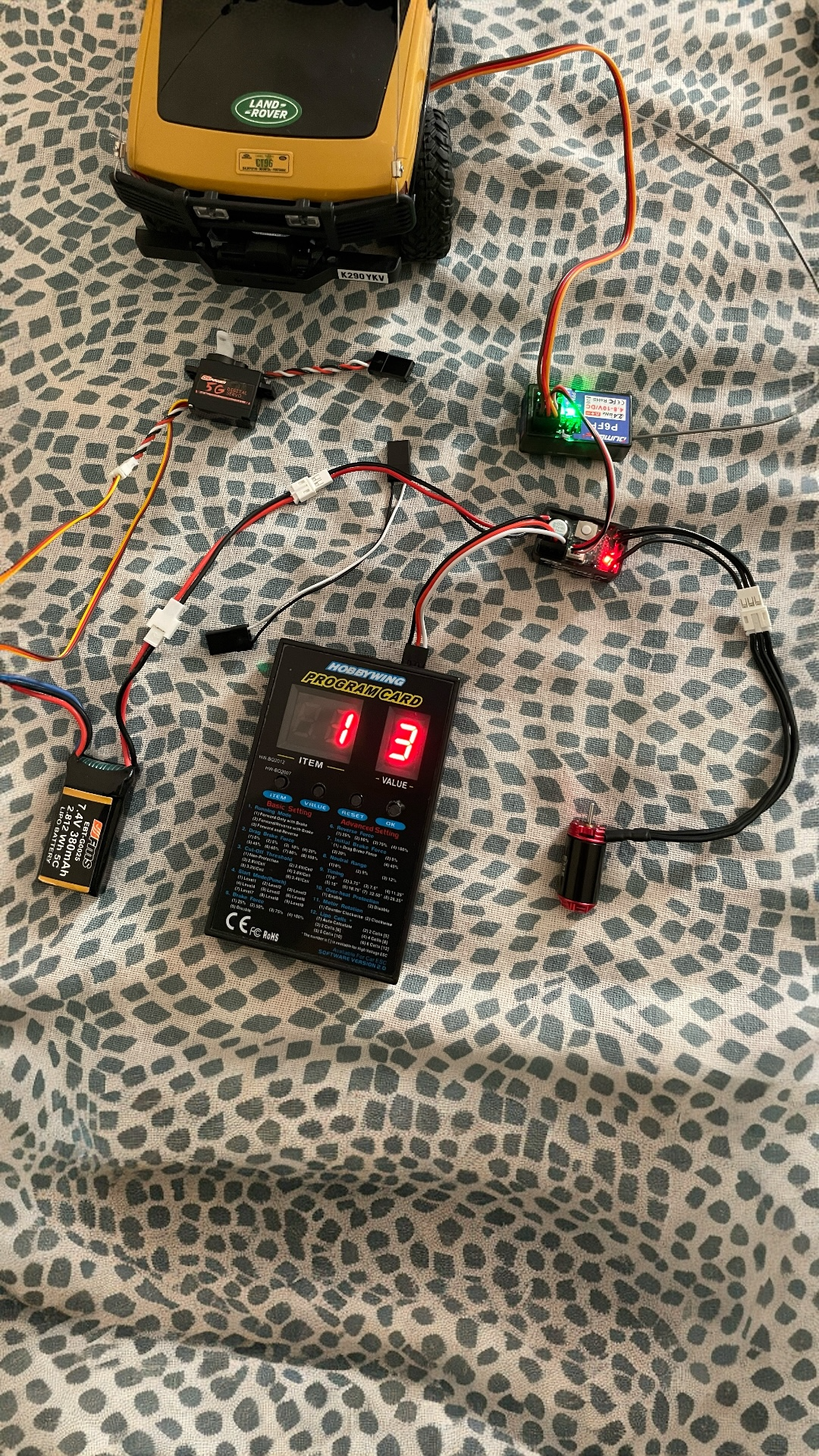
Reference: Calibration Wiring & Setup
Your $95 truck now performs like a $300+ rig. Here's what you gained.
Click to zoom
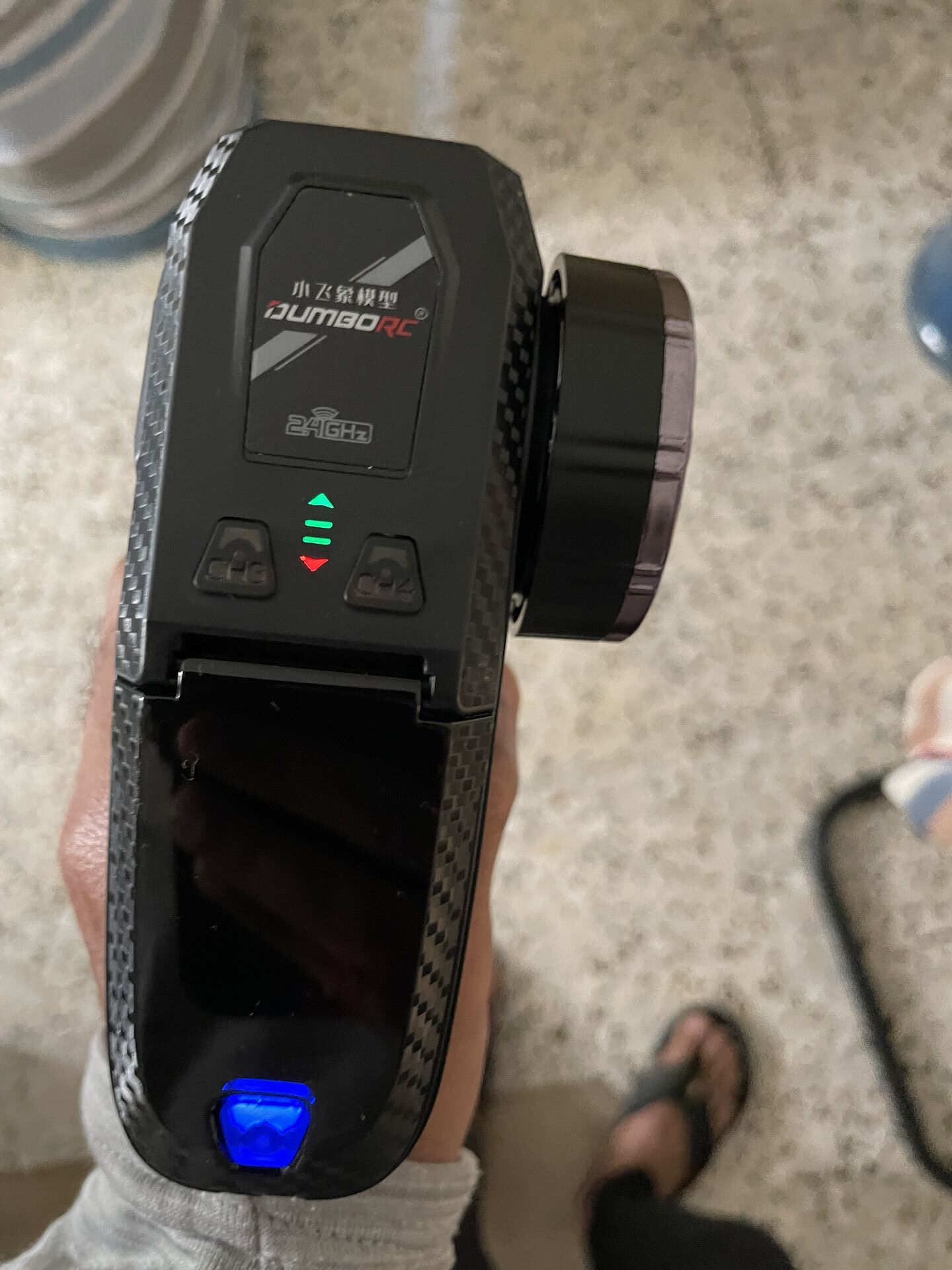
No more guessing. The DumboRC P6FP receiver sends your lipo voltage back to the transmitter via LED indicators.
Why this matters: LiPo batteries store energy chemically. Each cell has a nominal voltage of 3.7V and a safe minimum of 3.0V. Draining below 3.0V per cell causes irreversible internal damage - the copper current collector dissolves into the electrolyte, creating micro-shorts that permanently reduce capacity and can cause swelling or fire on the next charge.
The stock ESC has a low-voltage cutoff, but it only kills power when the battery is already at the danger threshold. By that point, you've been running the cells hard at critically low voltage for several minutes without knowing. Repeated cutoffs like this shorten battery lifespan significantly.
With voltage telemetry, you see real-time voltage on your transmitter LED indicators as you drive. You'll notice the gradual drop from 4.2V (full) and can comfortably land the truck before hitting 3.5V per cell - well above the damage zone. This is how you get 200+ charge cycles out of a $15 LiPo instead of 30.
*Requires DumboRC P6FP model for voltage return.
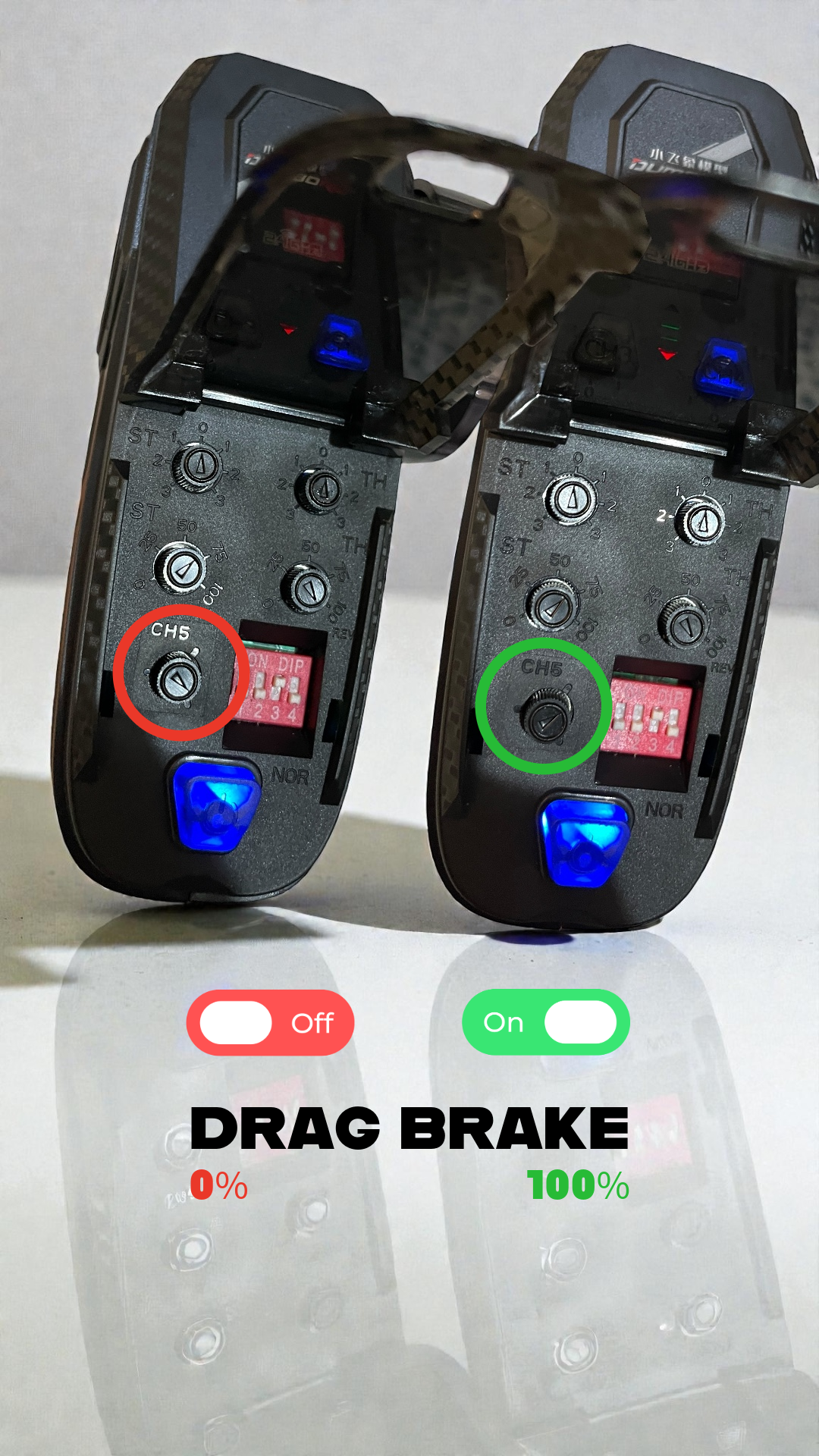
Tune your hold on the fly. Map the ESC's Programming Port (AUX) to Channel 5 and use the knob to adjust drag brake strength instantly.
Dial in 0-100% brake force with CH5 knob.
Connect Black & White cable to CH5.
The ultimate combo: Stock chassis agility meets pro-level electronics.
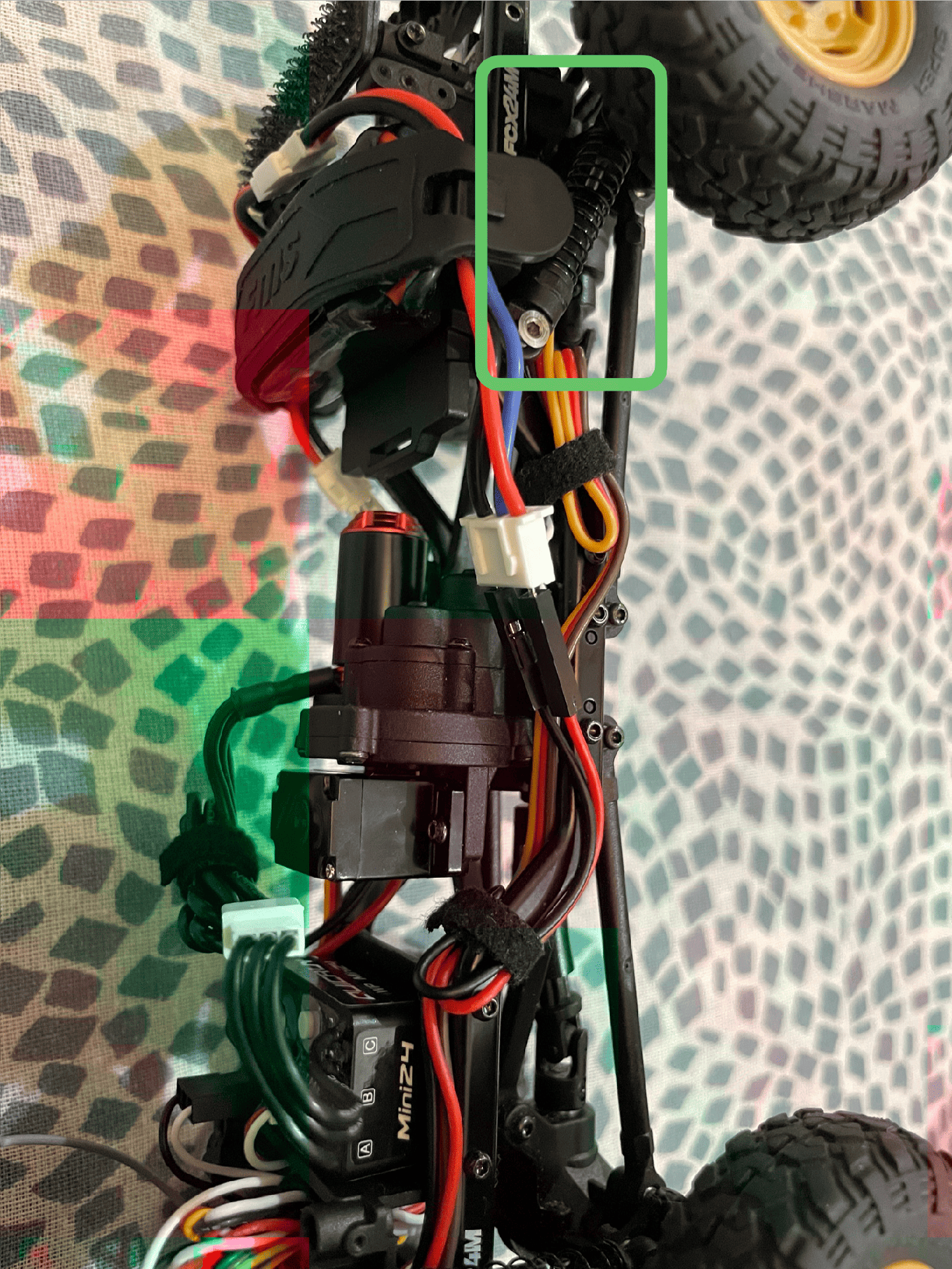
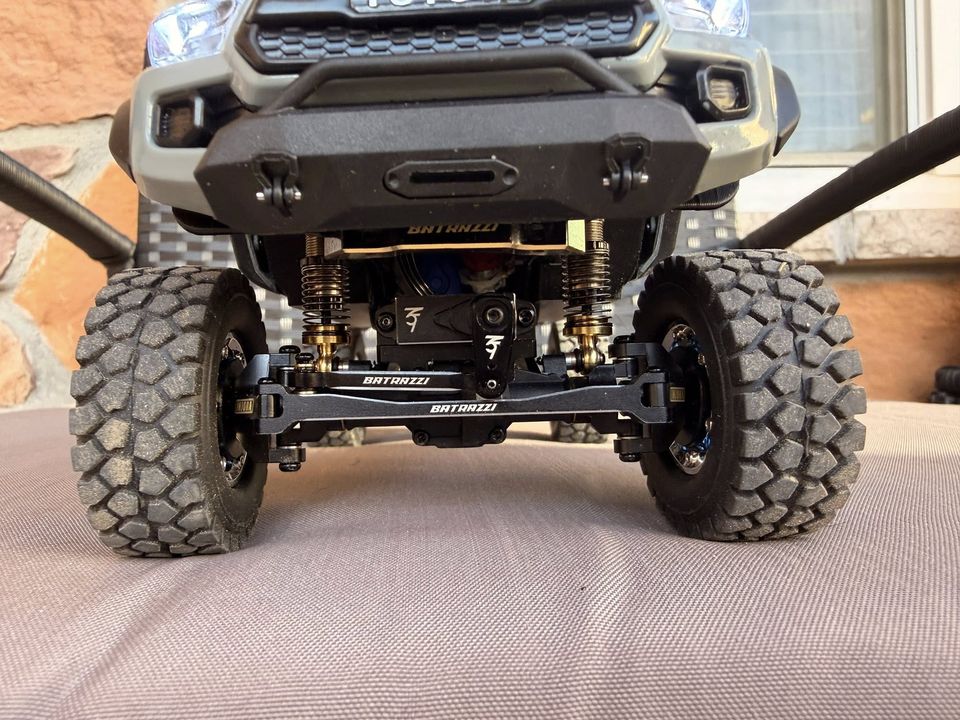
Move front shocks to lower mounting points to drop the Center of Gravity.
The FOC brushless system isn't just about going slow; it unleashes serious top-end power when you need it.
Enjoy blazing speed across open segments without sacrificing low-end crawling ability.
A real FCX24M Tacomo build from the community, following the Project 24M brushless path.
This is not my truck. Jon Asarias shared this build after using the Project 24M brushless path on an FCX24M Tacomo.
The guide is not limited to the Discovery shell shown above. The platform is the same. What mainly changes is space and body clearance.
Built your own version from this guide? Share it in the FCX24M Facebook community and tag me. I feature standout builds here on the site.
Quick hits of fun. Crawl, climb, and jump anywhere without a full trail setup.
"The stock servo was designed for a toy. Time to install a real one."
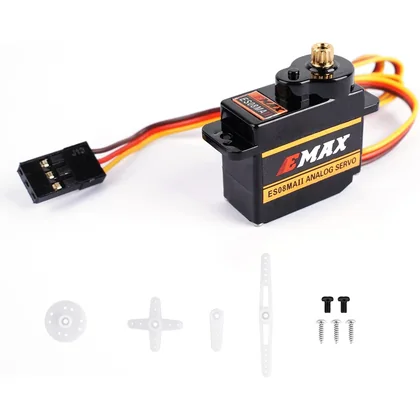
The stock plastic servo breaks easily , and I went through two in the first month. It's rated for 5V, limiting torque. Your Hobbywing ESC now provides 6V via BEC, so you can run a real servo at full power.
Reliable steering upgrade. Standard JR plug goes straight into CH1 on DumboRC.
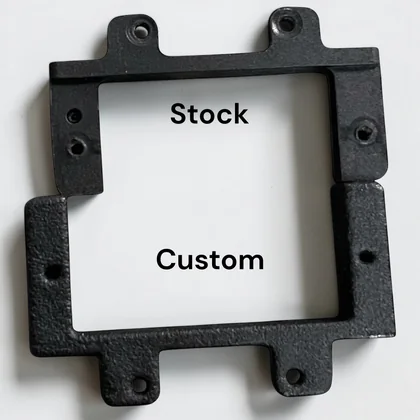
Required because the stock FCX24M mount does not fit the Emax properly.
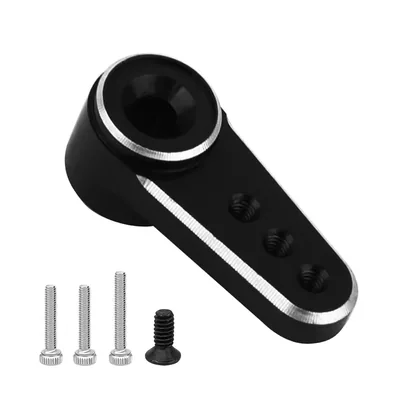
The Emax already comes with a plastic horn. This is a good upgrade if you want a better look and a bit of extra low-down weight over the front end.
Buy all three parts together: servo, mount, and horn. That removes the usual guesswork around fitment.
Mount note: this FCX24M mount is the piece that makes the Emax install properly in the chassis.
Optional: if you want to print your own mount later, the STL files are still here: Google Drive → Emax ES08MA II Mount Files
Pro Tip: Since you already upgraded to DumboRC in Tier 1, the Emax uses standard JR plugs. Zero adapters needed. Plug directly into CH1 and go.
Warning: Battery relocation can make some FCX24M-specific aftermarket servos with short leads feel too tight to reach the rear-mounted receiver. Stock servo with adapter, or the DSPower DS-S003M direct replacement with or without adapter, should not have that issue.
"Indicators, tail lights, and full control from your radio."
Static on/off is fine for a quick run. But when you add breathing and flash modes, the FCX24M stops looking like a toy and starts looking like a scale rig.
If you only want simple on/off, stick with the Tier 1 LIGHT port wiring.
Click to zoom
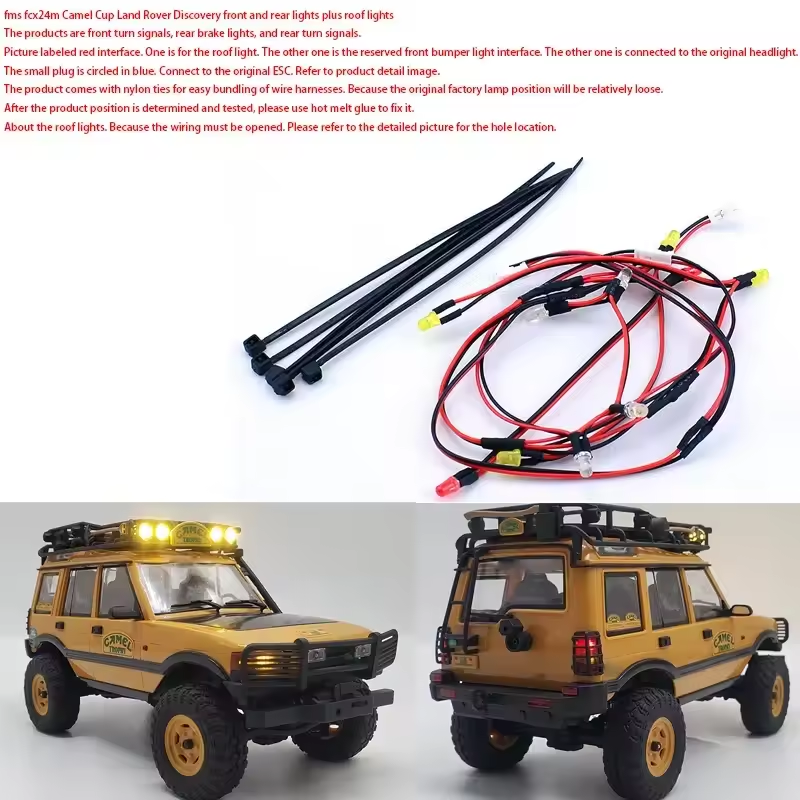
Choose the kit that matches your body shell. Discovery and Range Rover share one listing. Tacoma uses a different one.
Important: Many kits include a roof light bar. With the Hobbywing ESC’s 6V output, that roof light can burn out. Do not connect it.
Also: The roof light requires drilling a hole in the body. If you want a clean, reversible build, skip it.
Recommended setup: keep the stock headlight and only add tail lights + indicators from the kit.
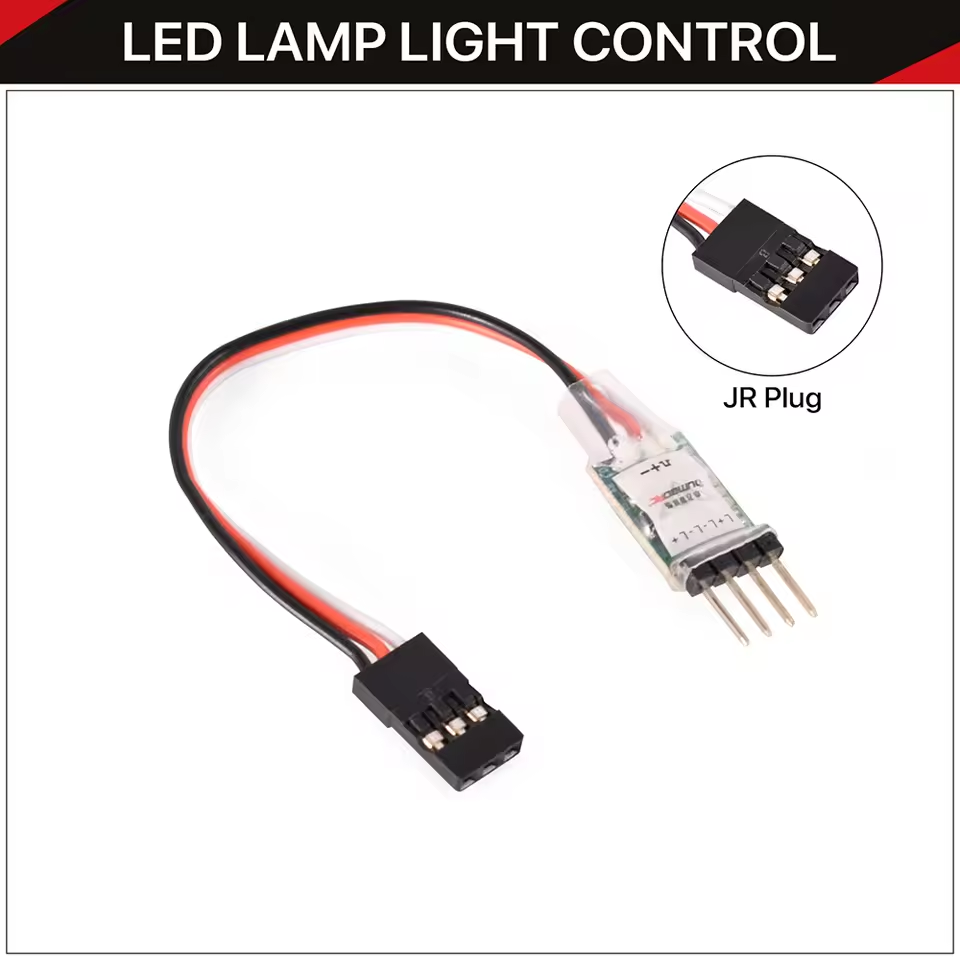
This is the module that unlocks modes and separate light zones. Plug it into CH3 and control everything from the transmitter.
Use the JST 1.25 → JR Female adapter (listed in Tier 1 adapters) to plug stock and aftermarket light leads into the receiver/controller.
Choose the JR plug. You already swapped the stock ESC/receiver combo for an independent DumboRC receiver in Tier 1, so JR is the correct fit.
After these upgrades, most channels on your DumboRC X6PM-350 are used, with one spare for future expansion.
| Channel | Function | Control | Status |
|---|---|---|---|
| CH1 | Steering (Emax ES08MA II) | Wheel | Active |
| CH2 | Throttle (Hobbywing ESC) | Trigger | Active |
| CH3 | Light Controller (modes) | Toggle Switch | Active |
| CH4 | 2-Speed Gear Shift | Toggle Switch | Active |
| CH5 | Real-time Drag Brake | Knob | Active |
| CH6 | Spare / Future Expansion | Toggle Switch | Open |
I run an independent app (Getter) and spend most days coding, fixing, and iterating. At some point I needed a hobby that didn’t feel like work. The FCX24M hit the sweet spot: a 2‑speed transmission in a $100 rig, licensed hard‑body detail, and scale realism that no other micro crawler matched. Only FMS could pull this off.
Once I started upgrading, there was no clear path, just scattered posts and trial‑and‑error. So I documented every step for myself, then turned it into this guide for fellow FCX24M owners. It’s honest, structured, and built from real experiments, not guesses.
Origin post: I first shared the full AliExpress cart publicly when this build was just an idea. View the post
Click to zoom
I live a mobile life and work from different places, so a full‑size 1/10 rig just wasn’t practical when I got into the hobby in 2025. The FCX24M is travel‑friendly, fits anywhere, and still delivers real trail and crawl capability. It’s the only scale that actually matches how I live.
Benefits: No cutting wires, no soldering, and no permanent changes to your FCX24M. It keeps the build beginner‑friendly and fully reversible.
Quick specs for context:
Drawbacks: Adapters add resistance. The PH2.0 battery and motor plugs are the main bottlenecks versus XT30/BT2.0 or larger bullet connectors, so peak punch is limited when the drivetrain asks for high current.
Why it still makes sense here: This is a micro crawler built around a 2S 380mAh pack. That’s modest current demand, and too much power into a mostly‑plastic drivetrain can be counter‑productive and break parts sooner. Adapters keep the build safe, clean, and reversible.
Short answer: Yes. All FCX24M variants share the same core platform. The only thing to check is clearance inside the chassis for the new ESC and receiver.
My assumption: Tacoma and Defender 110 should fit similarly to the Discovery shown here. Defender 90 may need extra checking because the body is smaller.
Critical: The stock motor uses an 11T pinion, but the 1224 brushless motor often comes with a 12T. You MUST swap them. Wrong mesh causes overheating, noise, and stripped gears. Most pullers only remove the pinion, and you still need a separate press tool to install it. The Meus Racing tool is the only one I found that does both in a single tool, which makes micro pinion swaps clean and repeatable.
It does not automatically mean the gearbox must be opened. On the stock FCX24M G3 transmitter (radio) + stock ESC/receiver combo, recover it from the neutral-center method. On the DumboRC CH4 setup in this guide, leave the servo arm disconnected, let CH4 rest, reconnect at the low gear end, then retest low and high with small EPA changes.
No. The Hobbywing WP Mini24's BEC outputs 6V, and the DumboRC P6FP receiver passes this to connected peripherals. Long-term testing confirms the stock FCX24M lights (the full 12-light harness) handle 6V without issue when connected through the receiver.
Yes. By relocating the battery to the front and mounting the P6FP receiver horizontally in the rear tray, everything clears the full-scale Camel Trophy interior. The ESC sits flat on the chassis floor using double-sided tape. No modifications to the body shell are needed.
The 1224 at 3600KV provides significantly higher torque than the stock brushed motor while running cooler , even under the heavier load of the hard body. It's a direct bolt-on fit with the stock motor mount, and its PH2.0 connector plugs straight into the Hobbywing ESC. No alternatives in this size class match its torque-to-weight ratio at this price point.
DumboRC is actually a subsidiary of RadioLink. It's their budget line, not a cheap knockoff. The X6PM-350 is a proven workhorse that offers 6 channels, voltage telemetry return via LED indicators, and the P6FP receiver is compact enough to fit inside the FCX24M chassis. RadioLink and FlySky both offer compact receivers too, but in this price range, nothing matches the DumboRC's combination of channel count, features, and value.
No. Brushless motors have three phase wires (A, B, C) and the direction depends on wiring order. Simply change "Motor Rotation" in the Hobbywing ESC settings using the Program Card. Either method reverses direction instantly.
The stock FMS 2S 380mAh LiPo works perfectly with the brushless setup. Expect 25–40 minutes of crawling depending on terrain and throttle usage. The Hobbywing ESC has low-voltage cutoff protection, so your battery is safe. If you use the DumboRC P6FP receiver with voltage return, you’ll see the battery level on the transmitter before cutoff hits, which helps you stop earlier for longer battery life and more charge cycles. For extended sessions, grab a second battery. they're inexpensive and swap in seconds.
Zero soldering. That's the entire point of this build. The Molex-to-PH2.0 adapter handles power, the JST 1.25-to-JR adapter handles the gear shift servo signal, and both the motor and receiver use plug-and-play connectors. If you can plug in a USB cable, you can do this build.
Absolutely. The DumboRC 6-channel setup gives you room for future expansion: winches, additional lighting modes, and more. This build is designed as a foundation, not an endpoint.