- 300 ml milk or curd
- 2 bowls dal, sambar or chana
- roti, rice, dosa or poha across meals
- one handful of peanuts, roasted chana, paneer or tofu
Often enough for a basic target if these portions are actually eaten.
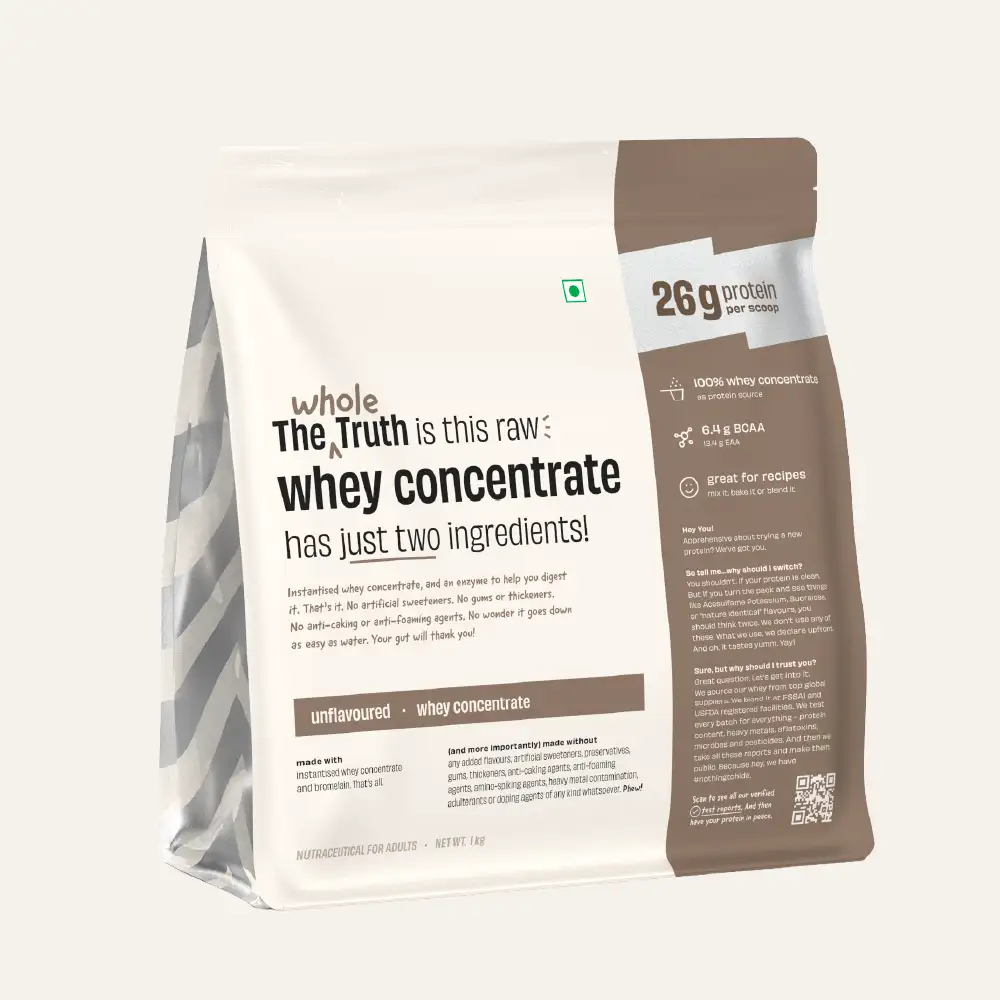
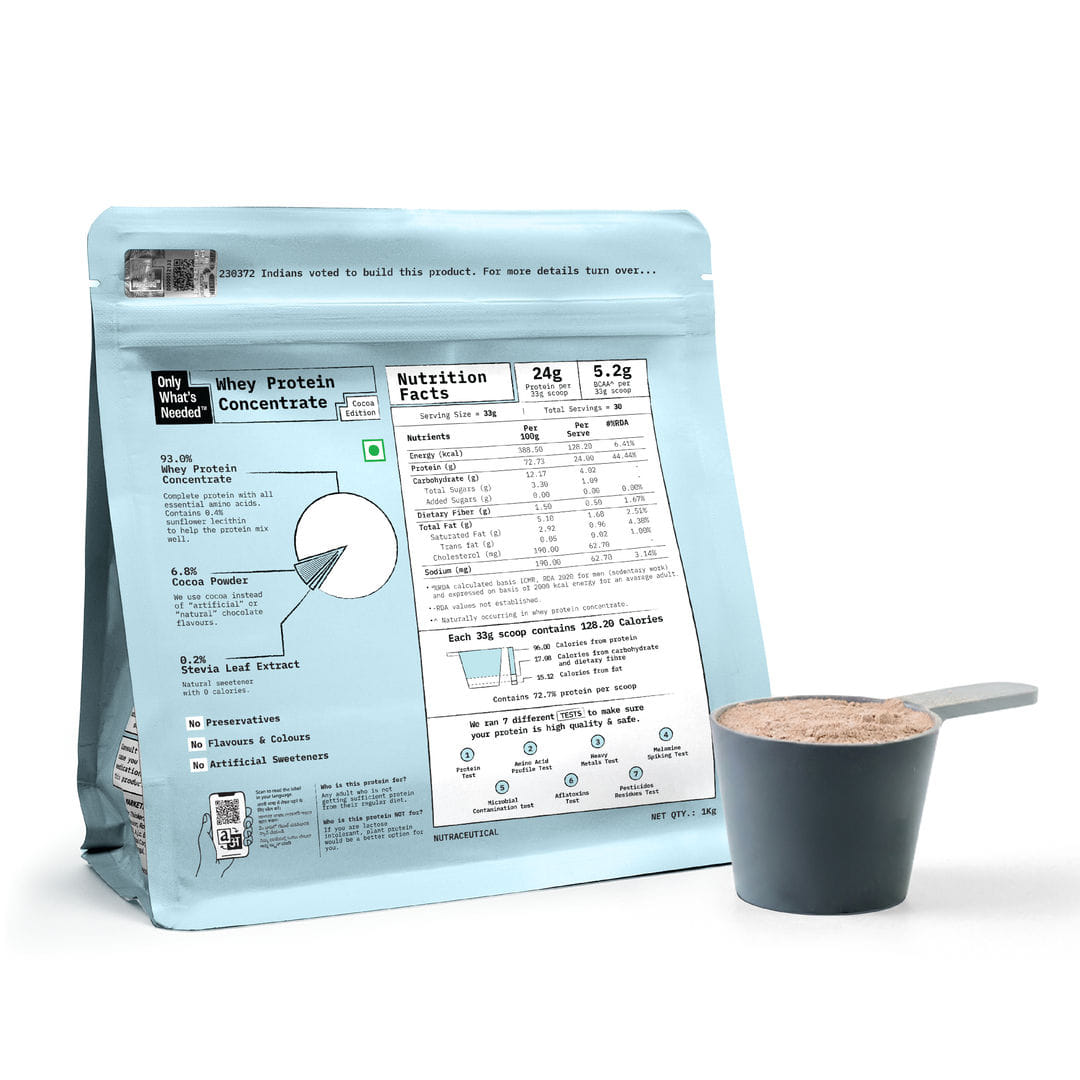
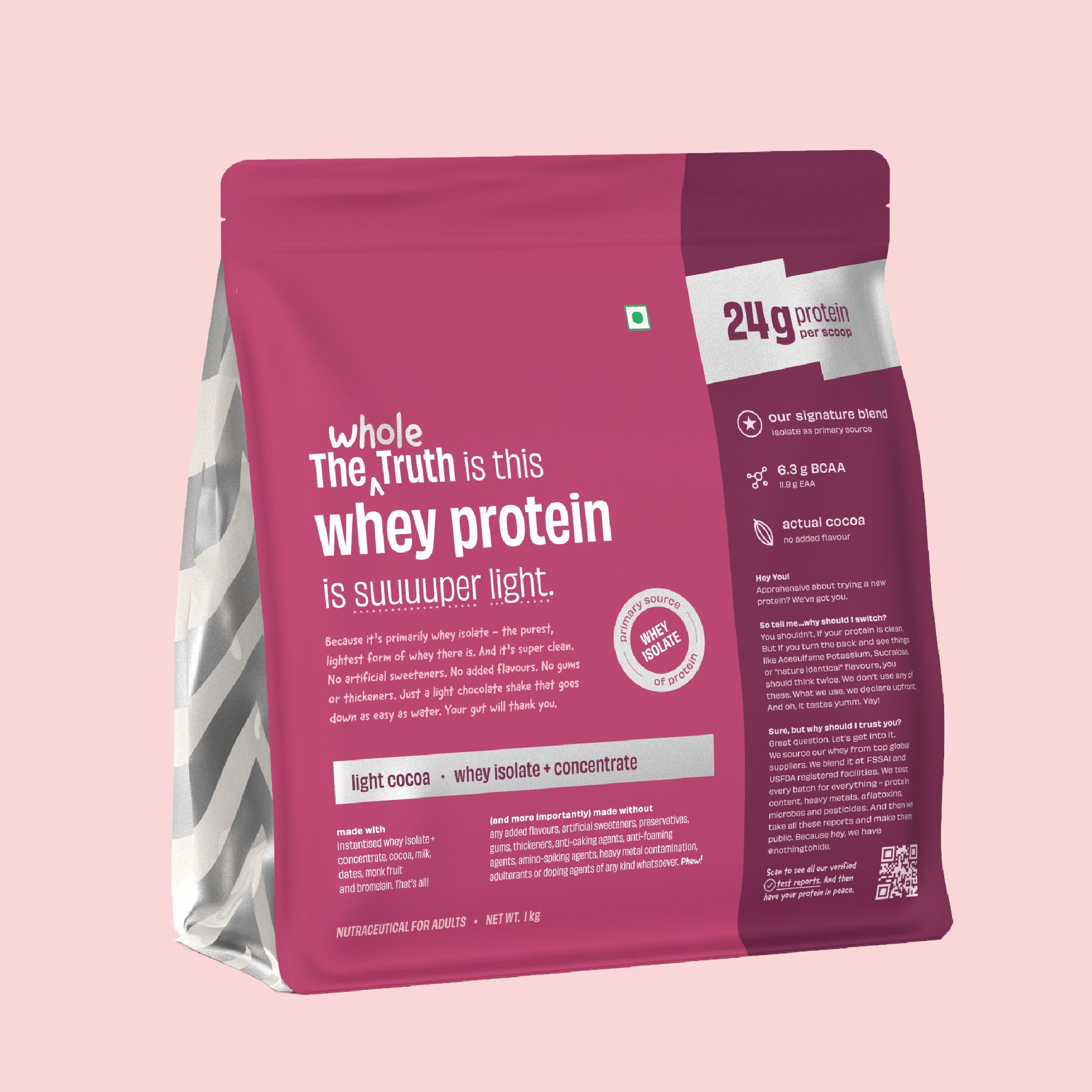
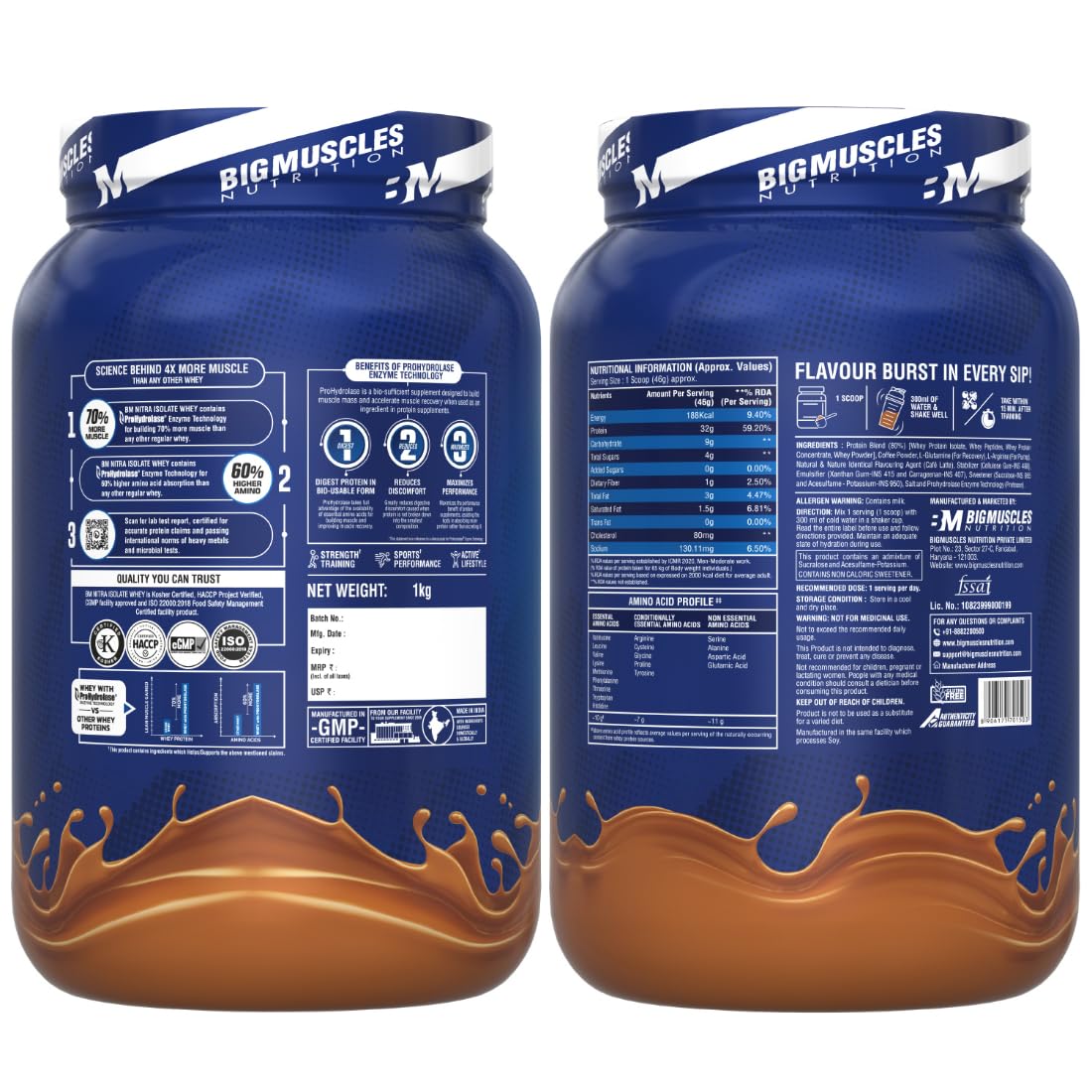
Whey protein comparison for India
See what changes between flavours and 1 kg-equivalent packs: protein, ingredients, testing and price.
Food comes first. Whey is useful when your normal meals leave a protein gap.
Whey comes from milk.If milk has caused skin rash, swelling or breathing trouble, do not use whey. If you have a medical condition or specific nutrition advice, follow your doctor or dietitian.
Compare products
Catalogue release pc-in-e1f4e2575c73d0ce
First check if your normal food already gives enough protein.
A useful range is roughly 45 to 55 g. This is total protein from the whole day, not whey powder.
ICMR-NIN adult RDA baseline.
Can food cover this?
If these portions fit your normal day, whey is optional.
Often enough for a basic target if these portions are actually eaten.
Usually covers a basic daily target with normal meals.
You may not need whey.
Whey is one convenient way to fill the gap.
First estimate what you need and what your usual food already gives you.
Read any product in 30 seconds
You can go deeper whenever you want. You should not need supplement jargon just to compare two products.
Every product is converted to the same 30 g powder basis, so a bigger brand scoop cannot make its number look better.
We translate flavouring, sweeteners, mixing aids and other additions into ordinary language. Original names remain available.
We separate the brand's own label from checks done by another organisation. We also tell you who chose the tested pack.
Price for 25 g protein puts different packs and serving sizes on the same basis.
When the type actually matters
Do not start with the word on the pack. Start with what you need.
Want everyday value?
Usually the straightforward place to compare first if you tolerate dairy and care about value. Less filtration generally leaves more lactose, carbohydrate and fat than isolate.
Compare concentratesWant more protein in less powder?
More filtration generally means a higher proportion of protein and less lactose, carbohydrate and fat. It can suit tighter calories or lower lactose needs, and usually costs more.
Compare isolatesLooking at a blend?
A blend combines whey types. Judge its final protein, ingredients, price and ingredient order instead of assuming the word blend means better or worse.
Compare blendsHave a specific digestion reason?
Some protein has already been broken into smaller pieces. It is a specialised form, not an automatic upgrade or the usual beginner starting point.
The number people need first
For healthy Indian adults, ICMR-NIN gives a body-weight based protein reference. ProteinCompare starts from that baseline, then adjusts the simple estimate when your daily routine is more physically demanding.
Protein you needminusprotein your food gives youequalsthe gap, if any
This means total protein from your entire day, including dal, dairy, eggs, meat or fish, other foods and whey if you use it. It does not mean the full number must come from whey powder.
Needs can differ with age, pregnancy, illness, training and other circumstances. Follow individual medical or dietary advice where applicable.
ICMR-NIN Dietary Guidelines for IndiansThe question most beginners have
You can. If food comfortably gives you enough protein, there is no rule saying you need whey.
Protein with water, lactose, fat and other nutrients. It is a useful food, but a large protein target means more liquid.
Protein with carbohydrates, fibre and other nutrients. Excellent foods, though a protein target may require a substantial quantity.
These can provide substantial protein and may cover someone's needs as part of their normal diet.
Concentrated milk-derived protein in a small serving. One shake may be easier than another meal or several glasses of milk.
Ask what fits your diet, appetite, calorie needs, budget and routine.
How we help
See the protein, ingredients, price and testing logos for each product. If the pack does not say, we leave it blank.
Understand the testing logosFrom the pack. Nutrition, ingredients and testing logos.
Same amount. Protein in 30 g of powder.
Fairer price. Cost of 25 g protein.
Clearer testing. What each logo checks and who chose the sample.
Before you buy. Check the latest price on the seller's page.
Straight answers
Start with your question. Open only what you need.
What whey is, whether you need it, and who can use it.
Whey is one of the proteins in milk. It is separated while making foods such as paneer or cheese, then filtered and dried into powder. It is food-derived protein, not a steroid and not a medicine.
Maybe not. Your body needs enough protein, not protein powder. If your meals cover your daily protein target, whey is optional. If they leave a gap, whey is one convenient way to fill it.
SourcesICMR-NIN Dietary Guidelines for IndiansBritish Heart Foundation: protein
Start with body weight, daily activity and health. ProteinCompare uses the Indian healthy-adult reference as its baseline and shows a simple range. The number means protein from your whole day, not protein powder alone.
SourcesICMR-NIN Dietary Guidelines for IndiansBritish Heart Foundation: protein
Yes. Whey is milk protein, and women do not need a separate type of whey. At the same body weight, gender alone does not create a different protein target. Pregnancy, breastfeeding and medical conditions need individual advice.
Yes, if it helps meet a suitable daily protein target. Appetite, activity, medicines and health conditions matter more than age alone. A doctor or dietitian should set the target when illness or a prescribed diet is involved.
Timing, rest days, muscle, weight and what to mix it with.
No 30-minute emergency exists. Reaching enough protein across the day matters more. If you train, a protein-rich meal or shake within a few hours can be convenient, but missing an exact minute does not waste the workout.
SourcesNIH: protein and exercise
Your daily protein need does not switch off on rest days. Use whey only if your food still leaves a gap that day. Whey is a food choice, not a workout-day medicine.
SourcesNIH: protein and exercise
No. Whey gives your body protein. Building muscle also needs resistance training, enough food, recovery and time.
SourcesNIH: protein and exercise
Whey does neither by itself. It adds protein and calories. Your overall food and calorie balance decides whether weight goes down, stays steady or goes up.
Water adds no extra protein or calories. Milk adds more protein, calories and lactose. Choose the one that fits your food, calorie target, taste and digestion.
Thirty grams is not a hard absorption limit. The amount that best supports muscle at one meal is a different question from how much your body can digest. Meeting the daily target and spreading protein across meals is a practical approach.
SourcesNIH: protein and exerciseBritish Heart Foundation: protein
Bloating, lactose, bowel changes, acne and hair worries.
The reason can differ. Lactose, a large serving or another ingredient may be involved. Compare one change at a time instead of changing everything together. Stop using it and seek medical advice if symptoms are severe, keep returning or include swelling or breathing trouble.
SourcesNIDDK: lactose intolerance
Possibly, but isolate does not automatically mean lactose-free. It usually has less lactose than concentrate, yet products and personal tolerance differ. Look for an explicit lactose-free statement if that is essential for you.
SourcesNIDDK: lactose intolerance
No. Lactose intolerance usually causes digestive symptoms such as gas, bloating or diarrhoea. A milk allergy is a reaction to milk protein. Whey isolate is still milk protein and is not a safe workaround for a milk allergy.
SourcesNIDDK: lactose intolerance
Many whey powders contain little or no fibre. Constipation can appear when shakes replace fibre-rich food or the whole day has too little fluid and fibre. Check the ingredient list and the full diet, not only the word whey.
Whey has not been proven to cause acne in everyone. Reports and studies do not all agree, and a 2024 controlled trial did not find worse acne in the whey group. If breakouts repeatedly begin after whey, pause it and discuss the pattern with a dermatologist.
SourcesAmerican Academy of Dermatology: diet and acne2024 controlled trial: whey and acne
Whey is not an established direct cause of hair loss. Hair shedding has many possible causes, including stress, illness, weight loss and low intake of some nutrients. A dermatologist can help find the cause instead of guessing from timing alone.
Safety, testing, ingredients, price and choosing between products.
Do not judge the risk from the word whey alone. Your total protein intake and your health matter. If you have kidney or liver disease, are pregnant or follow a clinician-directed diet, ask your clinician before changing your protein intake.
SourcesBritish Heart Foundation: proteinNIDDK: protein and kidney disease
Taste, foam and home tests cannot prove protein quantity. Match the flavour and pack, buy from a seller you can trace, use the brand's authentication check, and read what any testing logo actually covers.
Look for a report that actually tested contaminants and clearly names the product, flavour or batch. A protein test or sport banned-substance check does not automatically include heavy metals.
Look for three things: what was checked, who chose the sample and which product or batch it covers. A shop sample chosen by the testing programme gives different confidence from a sample chosen by the brand.
Isolate is filtered further, so it usually gives more protein and less lactose, carbohydrate and fat in the same powder quantity. It is not automatically better for muscle gain. Pay extra only when those differences matter to you.
No. Flavour, foam and mixing can change with the protein type, ingredients and preparation. They affect whether you enjoy using the product, but they do not prove protein quantity or authenticity.
There is no winner for everyone. Whey is a complete milk protein, plant protein suits people avoiding dairy, and casein digests more slowly. Choose around your diet, digestion, ingredients, protein quantity and price.
SourcesNIH: protein and exercise
The price can include protein density, whey type, flavouring, imported ingredients, pack size, testing, seller margin and branding. Compare the price for the same 25g protein, then decide whether the other differences are worth paying for.
No brand is best for everyone. Compare the protein, ingredients, testing and price of the flavour you will actually buy.
Testing logos
See what each programme checks and how it gets the sample.
Each programme checks something different. We name the useful result beside the logo: sport banned substances, protein amount or contaminants.
Some programmes buy the product from a shop. Sometimes the brand chooses the sample and sends it to a lab. We keep these apart so you know what each result can tell you.
No. A protein check does not also prove heavy-metal or sport results. A sport banned-substance check does not confirm every nutrition number.
We show a testing logo only when it appears in the product photos or an official programme page linked here. ProteinCompare does not run these tests.
Flavours and pack sizes can have different ingredients, nutrition and testing marks. The page follows the product shown, not the brand name alone.
You do not need to become a whey expert. You only need to know what matters to you.
Compare the facts. Make your own choice.